
Understanding Your Body: Why Do I Wake Up Stiff Every Morning?
Morning stiffness can come from joints, muscles, sleep position or an underlying health condition. This guide explains the common patterns, what your body may be telling you, and how gentle movement can help you begin the day with greater ease and confidence.
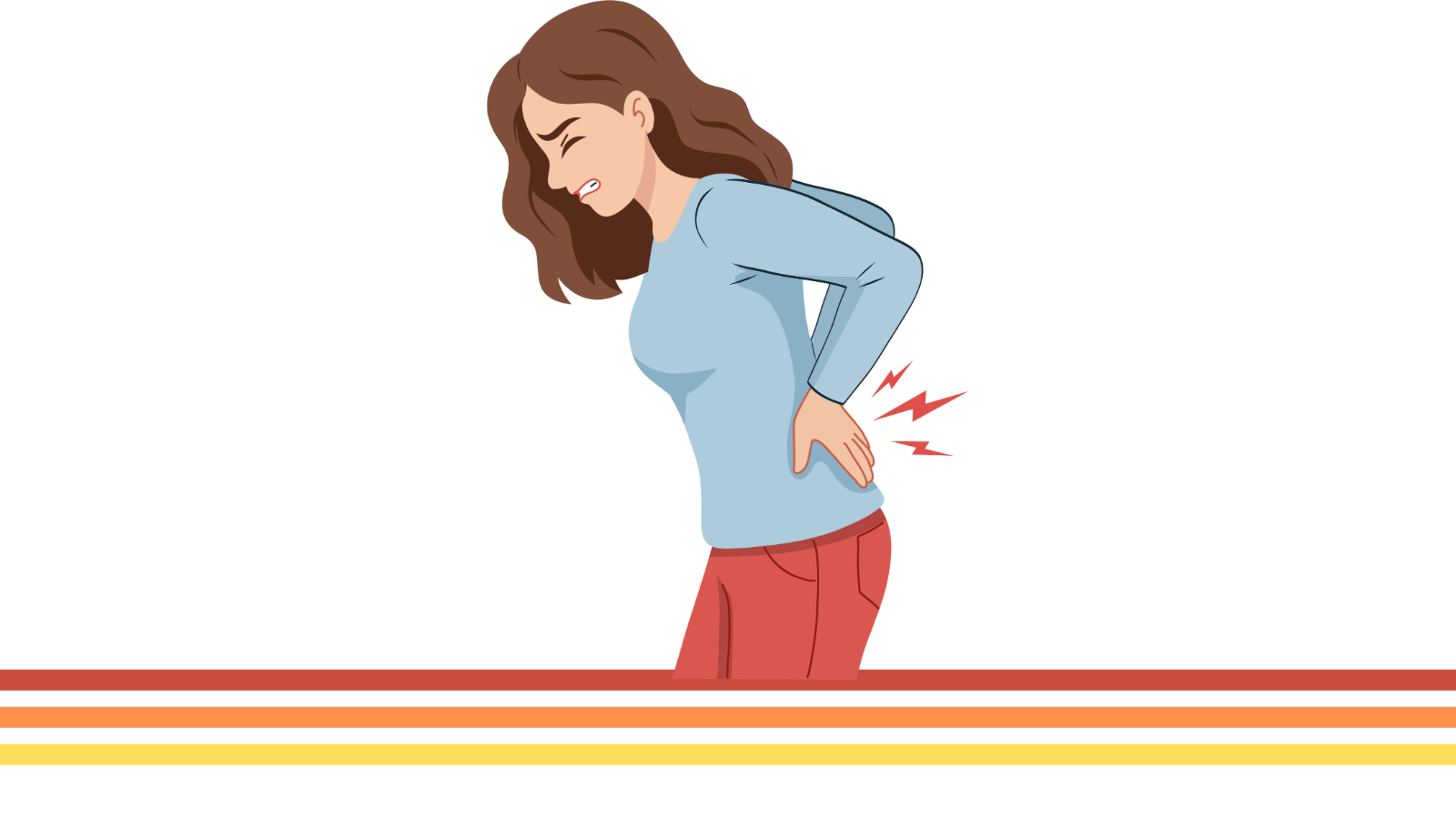
The Story Begins
The alarm goes off. You roll onto your side, sit on the edge of the bed and pause before standing.
Your lower back feels reluctant. Your hips need a moment. Your knees do not quite want to straighten, and the first few steps to the bathroom feel as though your body has aged overnight.
Then something changes.
You walk around, have a warm shower and begin getting ready for the day. Ten or twenty minutes later, you are moving much more freely. By breakfast, the stiffness may be almost forgotten - until the same thing happens again tomorrow morning.
If this sounds familiar, you are not alone. Morning stiffness is common, but it is not one single diagnosis. It can be influenced by the joints, muscles and nervous system; by arthritis or an old injury; by the previous day’s activity; or by spending hours in one sleeping position.
The useful question is not simply, “Why am I stiff?” It is: “What pattern does my stiffness follow, and what might that pattern be telling me?”
Why Can the Body Feel Stiff After Sleep?
During the day, we regularly change position. We stand, sit, bend, reach and walk. Even without formal exercise, this movement takes our joints and muscles through different ranges and distributes load across the body.
Sleep is different. For several hours, movement is greatly reduced. A joint that already has some irritation, a muscle that worked harder than usual yesterday, or an area that feels sensitive may be more noticeable after this long period of relative stillness.
That does not mean your body has been damaged overnight. In many cases, the morning feeling is a temporary response to inactivity. As you begin to move, the joints and surrounding tissues are gently loaded again, muscle temperature rises and the nervous system receives reassuring information that movement is safe. The body starts to feel less guarded.
This is why the response to movement is so informative. Stiffness that eases reasonably quickly with gentle activity often tells a different story from stiffness that remains intense for hours, is accompanied by obvious swelling, or is steadily worsening.
Could Arthritis Be Causing My Morning Stiffness?
Arthritis is one possible contributor, but the word “arthritis” covers many different conditions. Waking up stiff does not automatically mean you have arthritis, and it certainly does not mean your joints are “worn out.”
Osteoarthritis
Osteoarthritis affects the whole joint - not only the cartilage. Bone, the joint lining, ligaments, tendons and surrounding muscles can all be involved. Common features include joint pain, reduced movement and stiffness after rest or inactivity. The knees, hips, hands, feet and spine are frequently affected.
For many people with osteoarthritis, morning stiffness is relatively short-lived and improves as they get moving. It may also reappear after sitting for a long time. This is sometimes called “gelling”: the joint feels reluctant after rest, then becomes easier with movement.
Importantly, osteoarthritis does not mean movement should be avoided. Appropriate exercise is a core part of management because it helps maintain joint mobility, builds the muscles that support the joint and improves confidence in everyday movement.
Inflammatory arthritis
Inflammatory forms of arthritis, including rheumatoid arthritis, can also cause morning stiffness. These conditions involve inflammation within the joints and may produce a different pattern: stiffness that lasts longer, visible swelling or warmth, tenderness and several joints being affected - sometimes in a similar pattern on both sides of the body.
Clinicians often ask how long morning stiffness lasts because prolonged stiffness can be one clue to inflammatory arthritis. However, time alone cannot diagnose the cause. Some people with osteoarthritis experience longer episodes, and many other factors can influence how the body feels in the morning.
If your stiffness is regularly lasting more than 30-60 minutes, involves swollen or warm joints, affects multiple joints, or is accompanied by unusual fatigue or feeling unwell, it is worth discussing with your GP. Early assessment matters when inflammatory arthritis is suspected.
Is the Stiffness Coming From My Muscles or My Joints?
People often describe any restricted or uncomfortable movement as “tight muscles,” but stiffness can come from several tissues - and the sensation alone cannot always identify the source.
Joint-related stiffness may feel deeper and more localised. You may notice that one joint does not bend or straighten as freely, feels swollen, clicks or grates, or becomes uncomfortable when you place weight through it. A stiff knee might make the first few steps difficult; a stiff hand might make it hard to form a fist; a stiff hip may be most obvious when putting on shoes.
Muscle-related stiffness often feels broader: an ache, pulling sensation or general heaviness through an area rather than one precise joint. It may follow an unfamiliar workout, gardening, lifting, prolonged sitting or a change in daily load. Warmth, gentle movement or changing position may alter it quickly.
There is also considerable overlap. A sensitive joint can cause nearby muscles to tighten protectively. A muscle that is tired or guarding can make a joint feel restricted. Pain itself can change how freely you move, even when there is no meaningful loss of tissue length.
That is why repeatedly stretching the area is not always the full answer. The body may need improved joint movement, better strength, a change in daily load, more recovery - or simply reassurance and gradual exposure to movement.
Does Sleeping Posture Matter?
Sleeping position can influence where you feel stiff, particularly when one area remains compressed or rotated for a long time. A pillow that leaves the neck tilted, a mattress that does not support the body comfortably, or lying on a sensitive shoulder or hip may all contribute to morning discomfort.
But there is no single “perfect” sleeping posture for everybody. Most people move between positions during the night, and comfort matters. The goal is not to hold your spine completely straight for eight hours; it is to find a position that feels supported and allows you to sleep well.
A few simple adjustments may be useful:
If you sleep on your side, use a pillow height that fills the space between your head and the mattress without pushing your neck sharply up or down.
A pillow between the knees may feel more comfortable for some people with hip or lower-back symptoms.
If you sleep on your back, a small pillow beneath the knees may reduce the feeling of tension through the lower back.
If one shoulder or hip is sensitive, avoid spending the entire night directly on that side where possible.
If your mattress sags noticeably or you consistently wake with symptoms that improve when sleeping elsewhere, support may be worth reviewing.
Do not become frightened of your preferred sleeping position. A posture is more likely to be one contributor among several than the complete explanation for persistent stiffness.
What Else Can Influence Morning Stiffness?
The body you wake up with reflects more than the previous eight hours. It also reflects what you have asked of it across the previous day, week and month.
Morning stiffness may be more noticeable after:
a sudden increase in walking, running, gym work or gardening
a day of prolonged sitting or reduced movement
an unfamiliar physical task
poor or interrupted sleep
a flare of an existing joint or pain condition
reduced strength or general activity over time
stress, which can increase muscle tension and pain sensitivity.
This is why context matters. If the stiffness appeared after a major change in activity, the answer may be a more gradual progression and better recovery. If it has crept in over months and is affecting daily life, a broader assessment may be needed.
A Simple Morning Movement Routine
Morning movement does not need to be aggressive. The aim is to introduce motion gradually, not force a stiff body into its end range.
Before getting out of bed, try taking three slow breaths and gently moving the areas that feel reluctant:
Open and close your hands 10 times.
Point and flex your ankles 10 times.
Slowly bend and straighten each knee within a comfortable range.
Let both knees gently roll a small distance from side to side if this feels comfortable for your back and hips.
Once seated, perform a few easy shoulder rolls and turn your head gently from side to side.
Stand, pause, and take a short walk around the room before rushing into the day.
A warm shower can also help some people feel more comfortable. Once your body has settled, normal activities such as walking, getting dressed and preparing breakfast continue the process.
The right amount of movement should feel gentle and reassuring. Stop or modify it if you experience sharp or rapidly increasing pain, dizziness or new neurological symptoms. If you have recently had surgery, a fracture or a significant injury, follow the advice of your treating practitioner.
When Should Morning Stiffness Be Assessed?
An occasional stiff morning after a busy day is usually very different from a persistent pattern that is changing what you can do.
Consider seeking professional advice when:
stiffness is present most mornings and is not improving
it regularly lasts longer than 30–60 minutes
a joint is swollen, hot, red or increasingly painful
several joints are affected, especially on both sides of the body
you are losing movement, strength or confidence
symptoms disturb your sleep or interfere with work and daily activities
you also feel unusually fatigued, feverish or generally unwell
symptoms followed a significant injury.
A suddenly hot, swollen and very painful joint - particularly with fever or feeling unwell - requires prompt medical assessment.
An assessment should look beyond the painful area. At Bay City Health in Newtown, Geelong, our Osteopaths consider the history of the symptoms, joint movement, muscle function, daily activity, sleep habits and the movements that make the stiffness better or worse. If the pattern suggests a condition requiring medical investigation, we can recommend that you see your GP or another appropriate health professional.
The aim is not to attach a frightening label to every stiff morning. It is to understand the pattern, rule out concerns and give you a practical plan.
Key Points:
Morning stiffness is a symptom, not a diagnosis.
Stiffness that eases with gentle movement often behaves differently from prolonged stiffness with swelling or warmth.
Osteoarthritis can cause short-lived stiffness after rest, while inflammatory arthritis may produce a longer and more widespread pattern.
Muscles and joints often influence each other, so stretching alone is not always the answer.
A supported sleeping position and a calm morning movement routine may help.
Persistent or worsening stiffness deserves assessment so you can understand the cause and make a confident plan.
The Bay City Health Takeaway
Morning stiffness is information - not a verdict on the age or condition of your body.
For many people, the body simply needs time and gentle movement after being still overnight. For others, repeated stiffness may point towards arthritis, an irritated joint, muscle guarding, changes in activity or a sleeping setup that is not supporting them well.
Pay attention to three things: where you feel it, how long it lasts and what helps it change. Begin the morning with calm, comfortable movement. Keep your body active and strong across the week. And if the pattern is persistent, prolonged or accompanied by swelling and other symptoms, have it properly assessed.
The goal is not to wake up fearing every ache. It is to understand your body well enough to respond with confidence.
References:
Healthdirect Australia. Osteoarthritis (OA): symptoms, treatments and diagnosis.
Arthritis Australia. Rheumatoid arthritis.
The Arthritis Movement. Tips for coping with morning stiffness.
Better Health Channel, Victorian Department of Health. Posture.
National Institute of Arthritis and Musculoskeletal and Skin Diseases. Osteoarthritis: diagnosis, treatment and steps to take.
Saini Y, et al. Relationship Between Sleep Posture and Low Back Pain: A Systematic Review. Musculoskeletal Care. 2025.
Related Reading:
Why Stretching Isn’t Fixing Your Stiffness: Understanding What Your Body Is Trying To Tell You
Clinical Pilates Explained: Why Assessment Comes Before Exercise
The Bay City Way: Why Treatment Alone Isn’t Enough
Clinical Pilates: Why More People Are Choosing Individualised Exercise