
The Bay City Way: Why Treatment Alone Isn’t Enough
More than pain relief. A philosophy built around helping people move better, feel stronger and live with confidence.
Most people seek healthcare because something hurts.
A sore back.
A stiff neck.
A painful shoulder.
A knee that won’t let them enjoy the things they love.
Pain is usually what brings people through our doors—but at Bay City Health, we don’t believe pain relief is where healthcare should end.
In fact, we believe it’s where meaningful recovery begins.
Too often, people experience temporary relief, return to everyday life, and find themselves back in the same position weeks or months later. Not because the treatment didn’t work, but because the underlying problem was never fully addressed.
Our philosophy is simple.
Don’t just treat pain. Build a body that’s capable of living life with confidence.
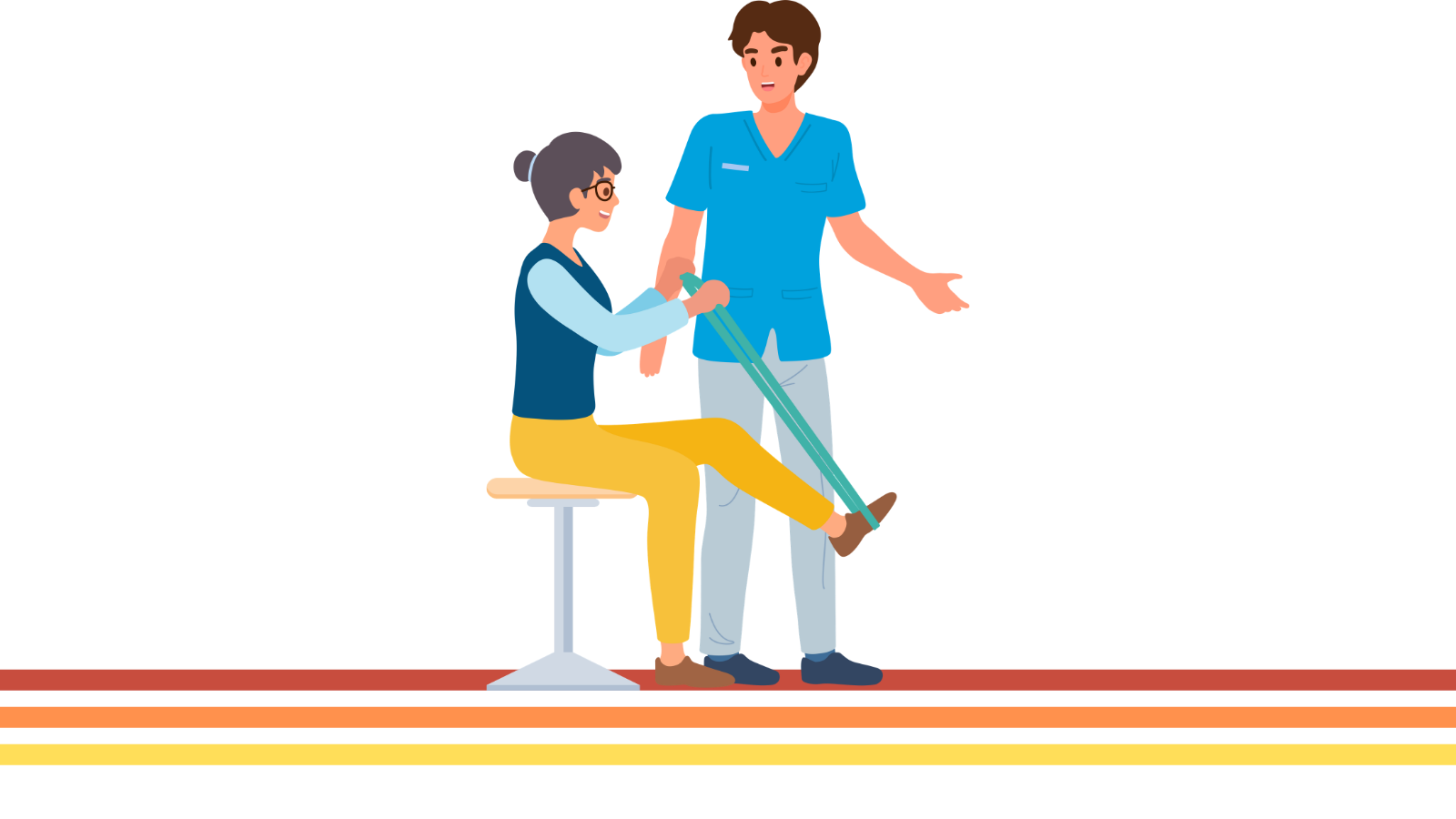
Discover The Bay City Way - our four-step approach to lasting recovery through hands-on treatment, movement, strength and long-term resilience.
Pain relief is only the beginning. Discover The Bay City Way - a four-step philosophy that combines hands-on treatment, movement, strength and long-term maintenance to help you move better, feel stronger and reduce the likelihood of pain returning.
In This Guide
Why pain relief isn’t enough
The problem with chasing symptoms
Release
Increase
Retrain
Maintain
Why lasting change requires more than treatment
The Bay City Health Takeaway
Imagine your car’s warning light comes on.
You take it to the mechanic.
Rather than fixing the problem, they simply disconnect the warning light.
The dashboard looks better.
But nothing has actually changed.
Soon enough, the warning light returns—or worse, the problem becomes bigger and more expensive to fix.
Healthcare can work the same way.
Pain is often the warning light.
Reducing pain is incredibly important, but if we stop there, we’ve only addressed part of the problem.
Real recovery means understanding why the pain developed in the first place and helping your body become better equipped to prevent it from returning.
That’s the philosophy behind everything we do at Bay City Health.
Why Pain Relief Isn’t Enough
Pain is your body’s way of asking for attention.
Sometimes it’s caused by an injury.
Sometimes it’s the result of poor movement habits built over years.
Sometimes it’s simply because your body no longer has the strength, mobility or capacity to cope with the demands you’re placing on it.
Whatever the cause, pain is rarely the whole story.
If we focus only on making pain disappear, we risk ignoring the factors that created it.
That’s why many people find themselves caught in the same frustrating cycle.
Pain.
Treatment.
Temporary relief.
Pain again.
Our goal isn’t to keep treating the same problem.
Our goal is to help you move beyond it.
The Bay City Way
Every patient is different, but our philosophy remains the same.
We follow a simple four-step framework designed to create meaningful, lasting change.
1. Release
Before the body can move well, it often needs to let go of unnecessary tension.
Pain changes the way muscles and joints behave.
Some muscles become tight and overprotective.
Others become weak or underactive.
Joints become stiff.
Movement becomes guarded.
Hands-on treatment helps reduce these restrictions and creates an opportunity for better movement.
Depending on your assessment, this may include:
Osteopathic treatment
Soft tissue massage
Joint mobilisation
Manipulation
Dry needling
Stretching techniques
The goal isn’t simply to help you feel better today.
It’s to prepare your body for everything that comes next.
Think of it as releasing the handbrake before trying to drive.
2. Increase
Once pain begins settling, we focus on increasing your body’s capacity.
Pain often leads to reduced movement.
Reduced movement leads to stiffness.
Weakness.
Poor balance.
Reduced confidence.
These don’t automatically improve simply because the pain has eased.
They need to be rebuilt.
Depending on your needs, this stage may focus on improving:
* Joint mobility
* Flexibility
* Strength
* Balance
* Endurance
* Confidence in movement
Our aim isn’t simply to return you to where you were before your injury.
Where possible, we want you to leave stronger than when you arrived.
3. Retrain
One of the most overlooked aspects of rehabilitation is movement itself.
Pain changes the way we move.
Without realising it, people begin protecting painful areas.
They bend differently.
Walk differently.
Lift differently.
Exercise differently.
Even after pain settles, these movement patterns often remain.
Over time, they can continue placing unnecessary stress on the body.
That’s why retraining movement is such an important part of recovery.
Through guided rehabilitation and Clinical Pilates, we help restore efficient movement patterns, improve coordination and build strength where it’s needed most.
It’s not just about becoming stronger.
It’s about teaching your body how to move well again.
4. Maintain
Perhaps the most important stage is also the one that’s most often overlooked.
Maintenance.
Many people stop once they feel better.
Unfortunately, this is often when old habits begin creeping back.
Work becomes busy.
Exercise becomes inconsistent.
Strength declines.
Mobility decreases.
Stress increases.
Gradually, the body returns to the same patterns that caused the problem in the first place.
Maintenance isn’t about becoming dependent on treatment.
It’s about protecting the progress you’ve worked hard to achieve.
For some people, this means continuing Clinical Pilates.
For others, it’s maintaining a home exercise program, staying active, or checking in with their Osteopath from time to time.
The goal is simple.
Stay healthy, rather than waiting until something hurts again.
Why Meaningful Change Requires More Than Treatment
Our bodies are constantly adapting.
They adapt to the way we sit.
The way we work.
The way we train.
The way we move every single day.
That’s why lasting recovery doesn’t come from one great treatment.
It comes from consistently improving the way your body functions.
When we combine hands-on treatment with education, movement, strength and long-term support, we’re doing far more than reducing pain.
We’re building resilience.
Helping people return to activities they love.
Giving them confidence in their bodies again.
That’s what meaningful healthcare looks like.
The Bay City Health Takeaway
At Bay City Health, we don’t measure success by how good you feel when you leave the treatment room.
We measure success by how well your body serves you weeks, months and years later.
That’s why our philosophy extends beyond pain relief.
We believe in releasing restrictions, increasing capacity, retraining movement and maintaining progress—not because it’s the quickest path, but because it’s the one most likely to create lasting change.
Whether your goal is playing with your grandchildren, returning to sport, gardening without pain or simply moving through everyday life with confidence, our aim is always the same:
Help you leave with more capability, more confidence and a body that’s better prepared for the life you want to live.
Because treatment alone isn’t enough.
Your health deserves a plan that lasts.
References:
American College of Sports Medicine. (2022). ACSM’s Guidelines for Exercise Testing and Prescription (11th ed.).
World Health Organization. (2020). WHO Guidelines on Physical Activity and Sedentary Behaviour.
National Institute for Health and Care Excellence. (2020). Low Back Pain and Sciatica in Over 16s: Assessment and Management.
British Journal of Sports Medicine. Clinical practice guidelines supporting active rehabilitation, patient education and exercise-based management of musculoskeletal conditions.