
Clinical Pilates Explained: Why Assessment Comes Before Exercise
Not all Pilates is created equal. Clinical Pilates starts with understanding your body before prescribing exercise. Learn why assessment, personalised programming and progressive movement are the foundations of better long-term health.
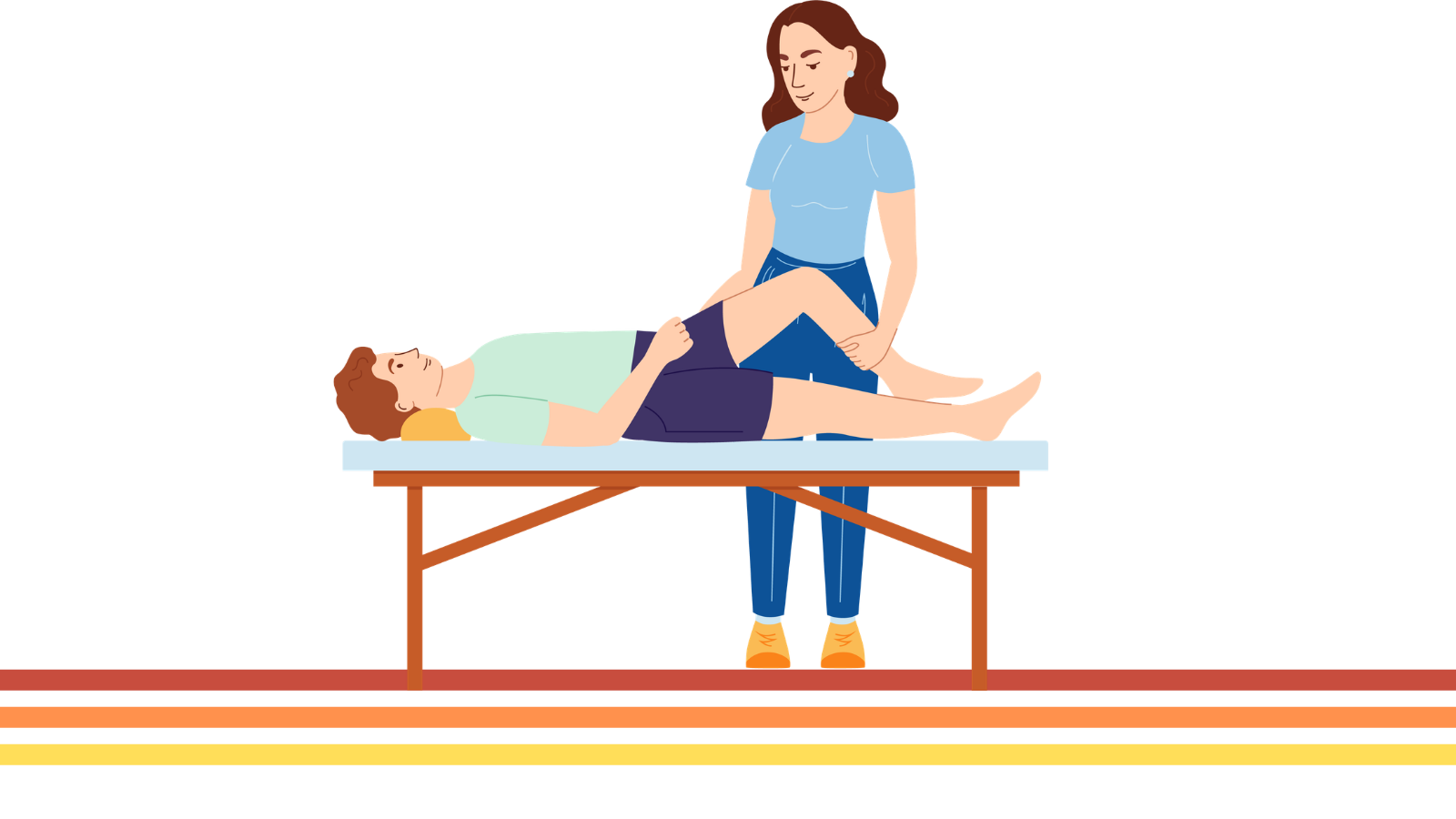
Whether you’re recovering from an injury, living with ongoing pain or simply wanting to stay active as you get older, the right exercise program starts with understanding your body - not copying someone else’s routine.
Clinical Pilates is different because every program begins with an individual assessment. We look at how you move, identify your strengths and limitations, and design a program that’s tailored specifically to your goals. As your body improves, your exercises progress with you.
At Bay City Health, Clinical Pilates is about much more than using a reformer. We combine evidence-based rehabilitation with strength, balance, mobility and functional movement to help you move with confidence for the long term.
If you’ve ever wondered whether Clinical Pilates is right for you, this article explains why assessment always comes before exercise - and why that approach often leads to better outcomes.
In This Guide
What is Clinical Pilates?
Why assessment matters
Why every program should be individualised
Building functional strength
Improving balance and mobility
Why progression is essential
The Bay City Health takeaway
The Story Begins:
Imagine walking into a gym for the first time.
Before you’ve said a word, someone hands you a workout sheet and tells you to get started.
They don’t ask about your back pain.
They don’t know you’ve recently had knee surgery.
They don’t realise you’ve struggled with balance since a recent fall.
For some people that workout may be perfect.
For others, it may be ineffective - or even make things worse.
That’s why Clinical Pilates is different.
At Bay City Health, we believe the most important part of any exercise program happens before the first exercise is ever performed.
It begins with understanding you.
What Is Clinical Pilates?
Clinical Pilates is an individualised form of exercise rehabilitation that combines principles of movement, strength, balance and mobility with a thorough clinical assessment.
Rather than placing everyone into the same class or following a generic online program, Clinical Pilates is tailored to your body, your goals and your current level of function.
Whether you’re recovering from an injury, managing persistent pain, preparing for surgery or simply wanting to stay active as you age, your program should reflect your individual needs - not somebody else’s.
Why Assessment Matters
Assessment is the foundation of effective rehabilitation.
Before prescribing exercise, we want to understand:
How your body moves.
Where you’re strong.
Where you’re restricted.
How you balance.
How you breathe.
Which movements reproduce symptoms.
What activities matter most to you.
Pain is only one piece of the puzzle.
Two people with exactly the same diagnosis can move completely differently.
One person with lower back pain may have excellent mobility but poor strength.
Another may have good strength but very limited movement through the hips.
Their exercise programs shouldn’t look the same.
Assessment helps us understand what your body actually needs.
There Is No Such Thing as the Perfect Exercise
One of the biggest misconceptions in rehabilitation is that there are “good” exercises and “bad” exercises.
In reality, the best exercise is the right exercise for the right person at the right time.
An exercise that helps one person recover may be completely inappropriate for someone else.
That’s why we avoid cookie-cutter programs.
Instead, we progress each person according to how they’re moving, how they’re responding and what they’re hoping to achieve.
Individualised Programs Produce Better Outcomes
Your body changes over time.
Your exercise program should too.
Clinical Pilates isn’t about memorising a routine.
It’s about having a program that evolves alongside your progress.
As your movement improves, exercises become more challenging.
As strength develops, new goals emerge.
If pain settles, we begin introducing more functional movement.
Every session builds upon the last.
This progressive approach helps maintain motivation while ensuring your body continues adapting.
Functional Strength for Everyday Life
Strength isn’t just about lifting heavier weights.
It’s about making everyday activities easier.
Can you carry groceries without back pain?
Can you get off the floor with your grandchildren?
Can you enjoy gardening, golf or travelling without worrying about your body?
These are the things that matter.
Clinical Pilates focuses on improving the way your body functions in real life.
Exercises often challenge multiple muscle groups together while encouraging good movement patterns, coordination and control.
The goal isn’t simply stronger muscles.
It’s a stronger, more capable body.
Better Balance Creates Confidence
Balance naturally changes as we age, but it can also be affected by pain, injury and inactivity.
Many people don’t notice declining balance until they experience a stumble or fall.
Fortunately, balance is something that can be trained.
Clinical Pilates allows us to safely challenge balance in a controlled environment.
Small improvements in balance often lead to greater confidence walking outdoors, climbing stairs and participating in everyday activities.
For many people, this confidence is just as valuable as the physical improvements themselves.
Mobility Helps Your Body Move More Efficiently
Mobility is often misunderstood.
Being flexible isn’t the same as moving well.
Some people have plenty of flexibility but poor control.
Others are stiff because their body is protecting an area that feels unstable.
Clinical Pilates aims to improve both movement and control.
Rather than simply stretching tight muscles, we help restore efficient movement throughout the body.
When joints move well and muscles work together effectively, everyday activities often become easier and more comfortable.
Progression Is Where Real Change Happens
Doing the same exercises forever eventually leads to the same results.
As your body adapts, your program should adapt too.
At Bay City Health, progression is a key part of every Clinical Pilates program.
That might mean:
increasing strength
improving coordination
challenging balance
introducing more functional tasks
building endurance
preparing for sport or everyday activities.
Progression keeps rehabilitation moving forward.
It also helps ensure the improvements you make continue long after your symptoms have settled.
Clinical Pilates Is More Than Reformer Pilates
People are often surprised to learn that Clinical Pilates isn’t just about the reformer.
While the Pilates apparatus is an excellent rehabilitation tool, it’s only one part of the picture.
Depending on your goals, your program may also include strength training, functional movement, balance exercises, mobility work and education.
At Bay City Health, we use a range of equipment - including our Clinical Pilates apparatus, NOHRD strength equipment, cables and small rehabilitation tools - to help people move better with confidence.
The equipment is simply the vehicle.
Your individual assessment and program are what drive the results.
Key Points
Every Clinical Pilates program should begin with an individual assessment.
The best exercise is the right exercise for your body—not someone else’s.
Functional strength helps you perform everyday activities with greater confidence.
Balance and mobility can be improved at any age through targeted exercise.
Progressive programs continue to challenge your body as you become stronger.
Clinical Pilates is about building long-term movement, not simply treating pain.
The Bay City Health Takeaway
Exercise shouldn’t begin with guessing.
It should begin with understanding.
Clinical Pilates is about more than following a workout - it’s about identifying what your body needs, creating a personalised plan and progressing safely over time.
Our goal isn’t simply to help you complete exercises.
Our goal is to help you move with greater confidence, build lasting strength and enjoy the activities that matter most to you - for many years to come.
References:
American College of Sports Medicine. ACSM’s Guidelines for Exercise Testing and Prescription.
Australian Physiotherapy Association. Exercise for musculoskeletal health.
National Institute for Health and Care Excellence (NICE). Musculoskeletal conditions: assessment and management.
World Health Organization. Integrated Care for Older People (ICOPE): Guidelines on Intrinsic Capacity.
American College of Sports Medicine Position Stand. Exercise and physical activity for older adults.