Common Gym Injuries Series: 3 of 5 - Low Back Muscle Strain
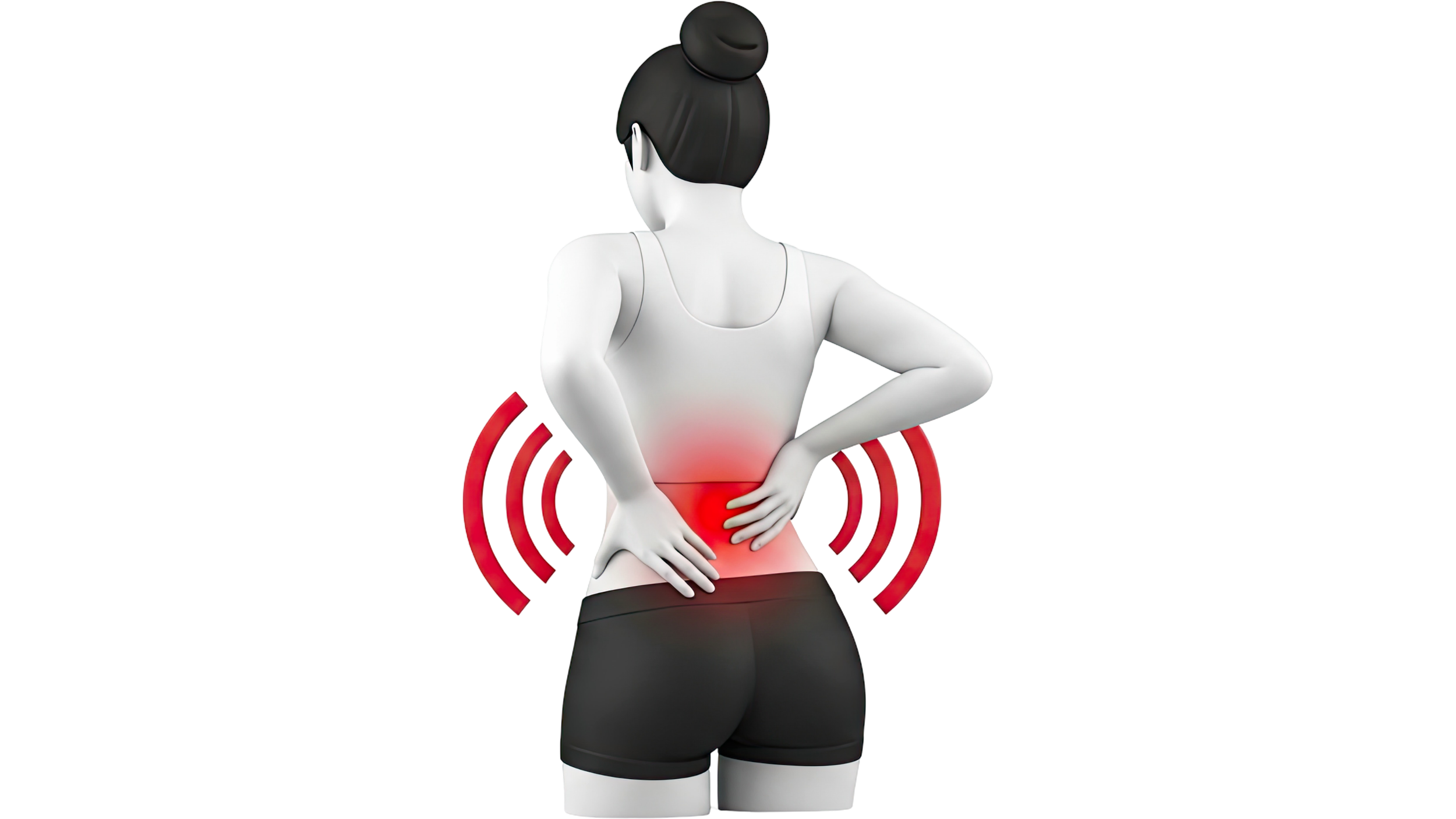
This is the third instalment in our Common Gym Injuries series, where we explore the issues we see most often in active clients and break down what they mean for your training.
After covering biceps tendinitis in Part 1 and shoulder bursitis in Part 2, we’re now turning our attention to one of the most common - and often most intimidating setbacks in the gym: low back muscle strain.
While the name might sound alarming, low back strains are usually less serious than they appear. With the right management, most people recover fully, regaining strength, mobility, and confidence in their training. Understanding how these injuries happen, how to recognise the warning signs, and how to manage them effectively can make all the difference in keeping your back - and your workouts - strong and resilient.
To set the stage, it helps to first understand the key muscles of the lower back and how they work to support movement and stability during exercise.
The Anatomy: Muscles of the Lower Back
The lower back (lumbar spine) is supported by layers of muscles that provide movement, stability, and load transfer between your upper and lower body.
The main muscle groups include:
Erector spinae – long, vertical muscles running parallel to your spine, key for extension and posture.
Quadratus lumborum (QL) – deep muscles at the sides of your lower back, important for side-bending and stabilisation.
Multifidus – small stabilising muscles connecting each vertebra.
Glutes, hamstrings, and core muscles – not technically “lower back muscles” but essential for lumbar stability.
When these muscles are pushed beyond their tolerance - by too much load, poor technique, or fatigue - the fibres can overstretch or tear, leading to muscle strain.
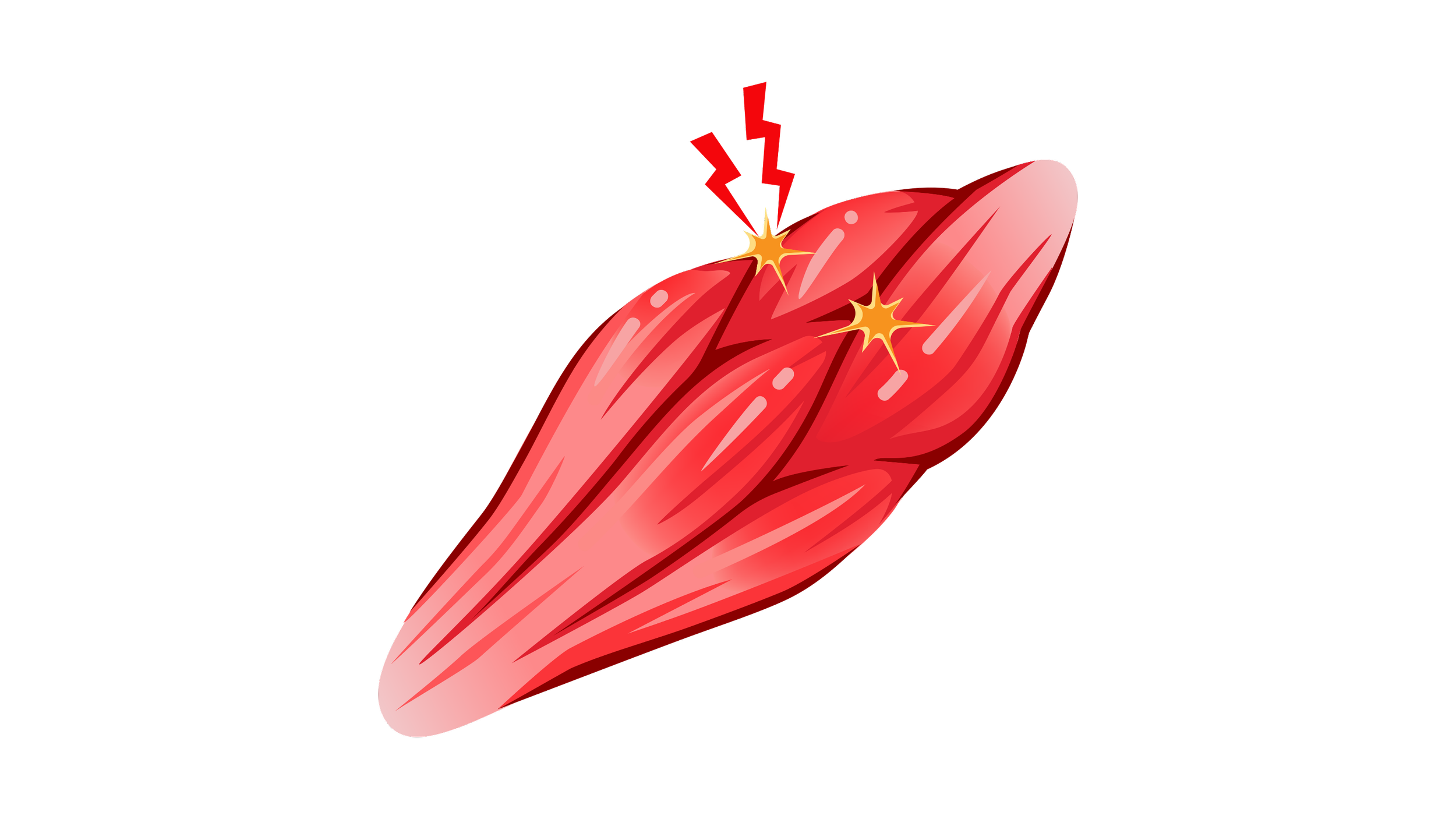
What Is a Muscle Strain - and How Does It Happen?
A muscle strain occurs when the muscle fibres are stretched beyond their normal range or subjected to sudden, excessive force.
In the gym, this often happens due to:
Lifting too heavy without proper bracing
Sudden jerking movements during a lift
Poor form under fatigue
Explosive movements without adequate warm-up
The strain can range from mild overstretching (Grade 1) to partial tearing (Grade 2) or — rarely — complete rupture (Grade 3).
Why Is It So Common?
Low back strains are one of the most frequent gym injuries because the lumbar region:
Bears the brunt of force transfer between upper and lower body in compound lifts
Is vulnerable to form breakdown when fatigue sets in
Is often underprepared for sudden load spikes, especially if core stability is lacking
Can be affected by tight hamstrings or hip flexors, forcing the back to compensate
Even seasoned lifters aren’t immune - one rushed rep or awkward lift can be enough.
How Is It Diagnosed?
An Osteopath will:
Take a thorough history - including onset, activity, and aggravating movements
Assess movement - noting range of motion, pain patterns, and muscle guarding
Palpate to identify local tenderness, spasm, or swelling
Rule out more serious causes (e.g., disc injury, nerve involvement, referred pain)
When required - recommend imaging (though most strains don’t require it)
The diagnosis is largely clinical, based on your history and presentation.
How an Osteopath Treats Low Back Muscle Strain
Our approach is aimed at reducing pain, restoring movement, and preventing recurrence. This may include:
Hands-on therapy
Soft tissue release for tight or overactive muscles
Gentle joint mobilisation for stiffness in the spine or hips
Techniques to reduce muscle guarding and promote healing
Load management
Temporary reduction of aggravating lifts (e.g., heavy squats, deadlifts)
Gradual reintroduction of movements under controlled conditions
Exercise rehab
Core stabilisation work (deep abdominal activation, multifidus control)
Glute and posterior chain strengthening
Hip mobility drills to reduce compensatory strain on the lower back
Education and lifting technique review
Teaching optimal bracing, hinge mechanics, and breathing strategies
Recovery Timeframe
Most low back strains recover well with early management:
Mild strains (Grade 1): 1–3 weeks
Moderate strains (Grade 2): 3–6 weeks
Severe strains (Grade 3): 6–12+ weeks, sometimes requiring further intervention
Returning too quickly without regaining stability and control increases the risk of re-injury.
What Gym Activities Can Cause It?
Heavy deadlifts or squats with poor form
Good mornings or bent-over rows with rounded back
Explosive lifts (cleans, snatches) without proper warm-up
Twisting under load (e.g., rotating while holding a weight)
High-rep training where fatigue breaks down technique
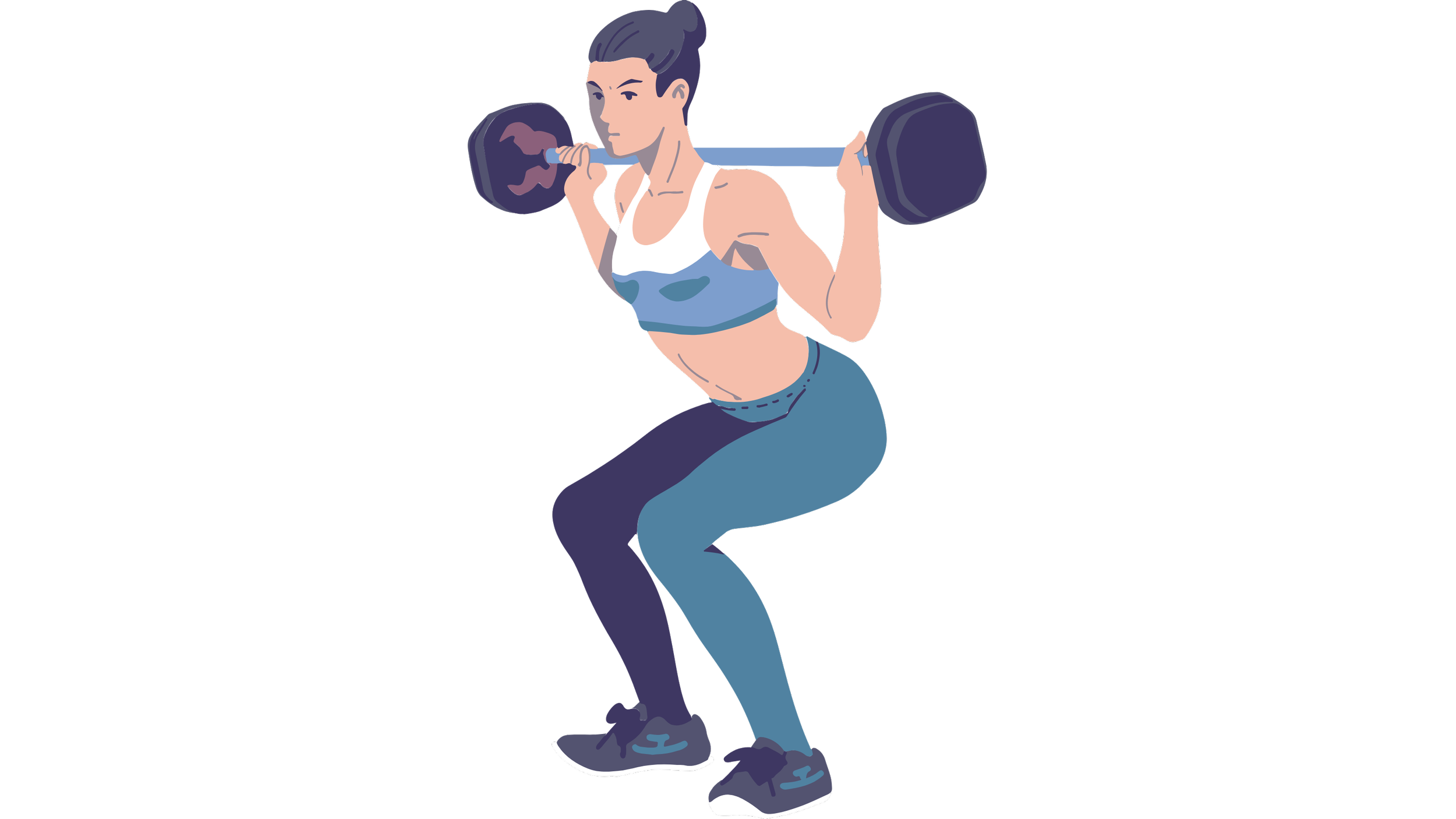
What Movements Will Be Affected?
With a lower back strain, you might find pain or restriction in:
Bending forward or touching your toes
Arching backwards
Lifting from the floor
Twisting
Sitting for long periods (in more acute cases)
In gym terms, this often means pulling back from deadlifts, squats, heavy rows, and sometimes even overhead pressing.
Predisposing Factors
You may be more at risk if you have:
Weak or untrained core muscles
Tight hips or hamstrings limiting proper lifting mechanics
Poor lifting technique under load
History of lower back injury
Lack of progressive loading in training
Skipping warm-ups or mobility work
How to Prevent Low Back Muscle Strain
Warm up thoroughly - include mobility, activation, and lighter sets
Progress gradually - avoid sudden jumps in weight or volume
Prioritise technique over ego lifting
Strengthen your core and glutes year-round, not just when injured
Balance your training - include posterior chain and hip mobility work
Rest and recover - muscles repair and adapt when given adequate recovery time
Final Thoughts
Low back muscle strain is one of the most common - and most preventable - injuries in the gym. While it can be frustrating and painful, with early intervention, proper rehab, and smart training adjustments, you can usually return to lifting without long-term issues.
In the next post in our Common Gym Injuries series, we’ll be shifting focus to the knee - specifically patellar tendinopathy - another injury that often sidelines active gym-goers.
If you’ve missed the earlier posts, check out: