
Common Gym Injuries Series: 1 of 5 - Biceps Tendonitis

Following on from our recent blog introducing the 5 most common gym-related injuries, we’re kicking off the series by diving into biceps tendinitis — a condition we regularly see in active clients, especially those focused on upper-body strength training.
Whether you’re lifting for strength, aesthetics, or general fitness, understanding the early signs of tendon irritation can help you stay consistent with your training — and avoid a frustrating setback.
The Anatomy: What Is the Biceps Tendon?
The biceps brachii muscle (aka the “biceps”) is made up of two heads — the long head and the short head. These muscles connect to your shoulder via tendons, and the long head tendon is often the troublemaker when it comes to gym-related pain.
This tendon runs through a groove in the front of your shoulder (the bicipital groove), making it particularly vulnerable to irritation from repetitive strain or mechanical overload.
What Is Tendinitis — and How Does It Start?
Tendinitis refers to inflammation of a tendon — often caused by repetitive movements, overuse, or increased training load without enough recovery.
In the case of biceps tendinitis, small microtears in the tendon tissue can result from:
• Poor lifting mechanics
• Sudden increases in load or volume
• Inadequate warm-up or mobility
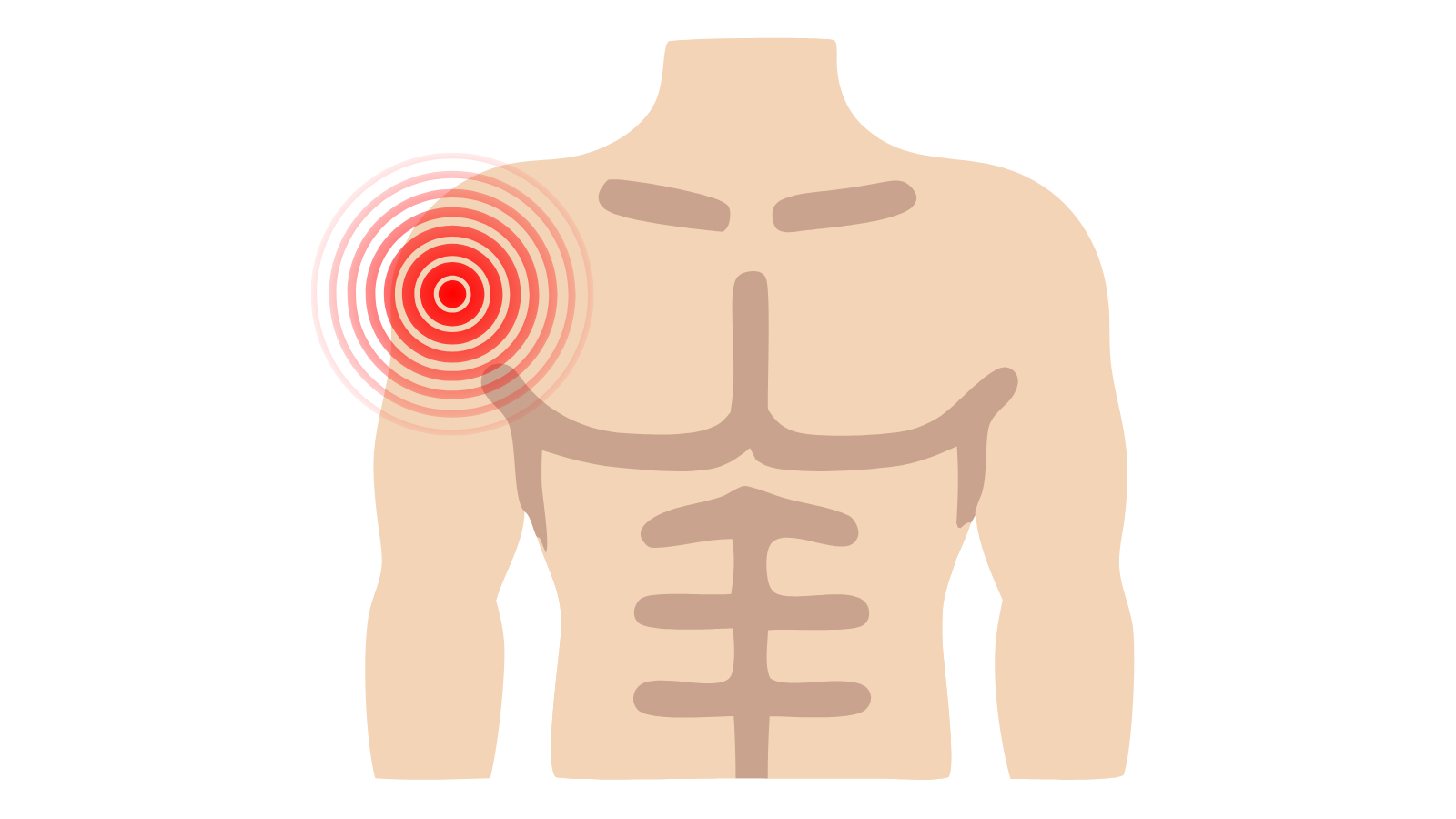
Initially, this causes inflammation, discomfort in the front of the shoulder, and sometimes a dull ache radiating down the upper arm — especially with overhead movements or pushing/pulling exercises.
From Tendinitis to Tendinosis: Why Early Treatment Matters
If left untreated, biceps tendinitis can progress into tendinosis — a chronic condition involving tendon degeneration rather than inflammation.
This stage tends to be more stubborn and slower to heal, often resulting in:
• Thickened or weakened tendon tissue
• Persistent pain
• Reduced function or performance during training
That’s why early diagnosis and management is key — ideally before it starts interfering with your workouts or everyday movements.
How Is Biceps Tendinitis Diagnosed?
Osteopaths and other health professionals typically assess for biceps tendinitis by:
• Taking a detailed history of your symptoms and training routine
• Performing physical tests (such as Speed’s test or Yergason’s test) to provoke symptoms
• Palpating the biceps tendon area to assess for pain or swelling
• Assessing surrounding joint and muscle function (especially the shoulder and scapula)
In some cases, referral for imaging (ultrasound or MRI) may be required — particularly if a tendon tear or other shoulder pathology is suspected.
Osteopathic Treatment: A Holistic Approach
At Bay City Health, our osteopaths take a multi-pronged approach to managing biceps tendinitis:
1. Hands-on treatment: To address tightness in the shoulder, neck, chest, and upper arm, and reduce stress on the tendon.
2. Load management: Guidance around modifying training and reducing aggravating movements.
3. Exercise rehab: Targeted strengthening and control of the rotator cuff and scapular stabilisers, which play a key role in reducing tendon overload.
4. Education: Empowering you with knowledge on how to train smart and avoid recurrence.
We also look at broader biomechanical factors — for example, thoracic spine stiffness or shoulder instability — which may be contributing to poor load transfer through the upper body.
How Long Does It Take to Recover?
Recovery time depends on the severity of the condition and how early you intervene.
• Mild cases: 2–4 weeks of modified training and treatment may be sufficient.
• Moderate to severe cases: 6–12 weeks is common — especially if the tendon has started degenerating.
The goal isn’t just pain relief — it’s restoring strength, tendon health, and shoulder function so you can train confidently again.
Which Gym Activities Can Cause Biceps Tendinitis?
Common culprits include:
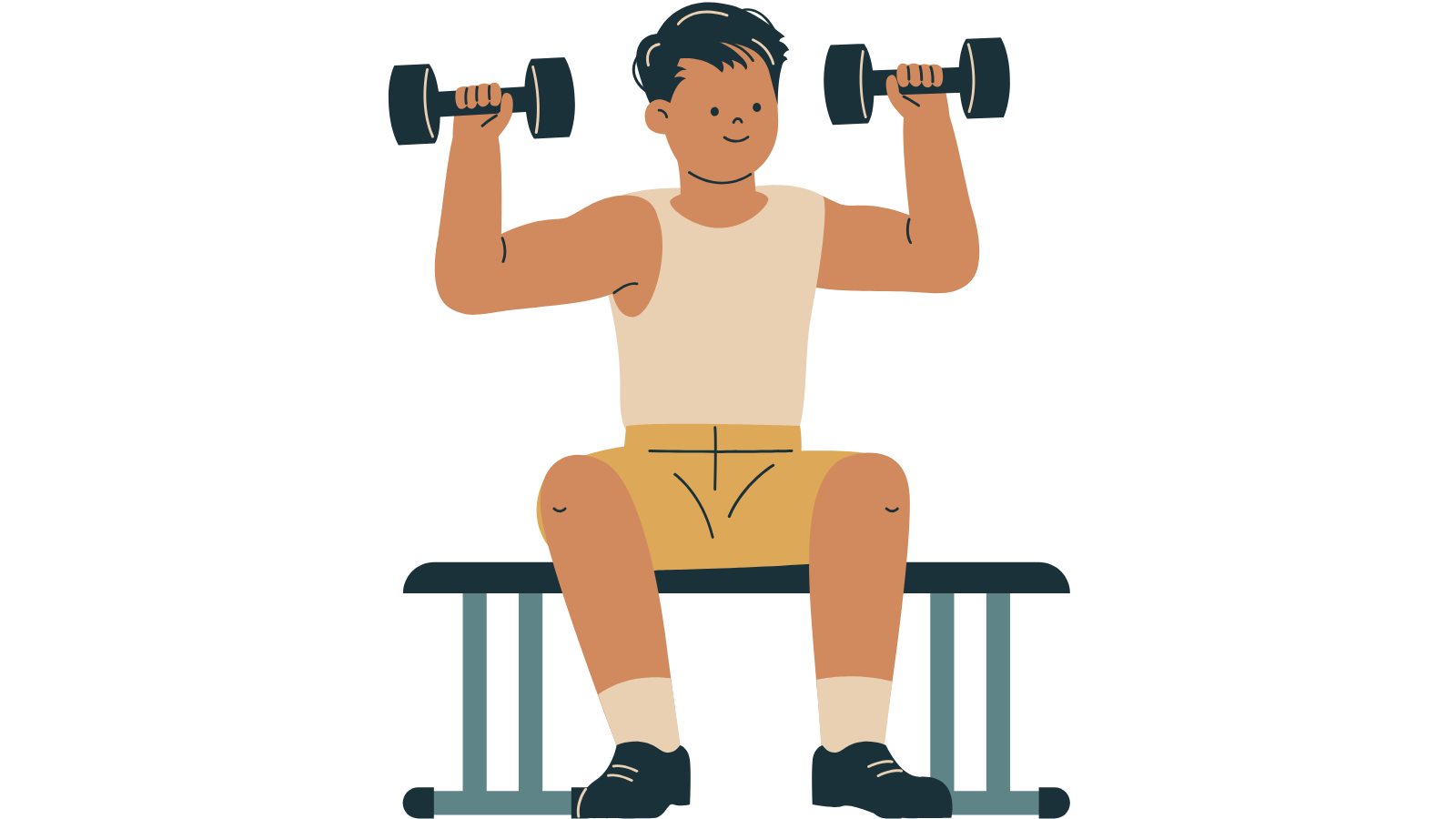
• Overhead pressing (e.g., military press, snatch)
• Heavy pulling movements (e.g., chin-ups, rows, deadlifts)
• Bench press variations — especially if shoulder mechanics are compromised
• High-volume or high-frequency arm training without sufficient recovery
It’s often not the exercise itself, but how it’s performed, how frequently, and whether the surrounding joints and muscles are doing their job properly.
Predisposing Factors to Biceps Tendinitis
Some people are more susceptible to developing biceps tendon issues due to:
• Poor shoulder blade control or posture
• Thoracic spine stiffness
• Rotator cuff weakness or imbalance
• A previous shoulder injury
• Sudden spikes in training volume or intensity
• Insufficient recovery or poor programming
Identifying and addressing these underlying contributors is key to long-term success.
How to Prevent Biceps Tendinitis Moving Forward
Here are a few strategies to keep your shoulders — and biceps tendons — happy and healthy:
• Prioritise shoulder mobility and scapular control in your warm-up
• Use proper technique with pushing and pulling exercises
• Avoid overtraining the arms — allow at least 48 hours of recovery
• Include rotator cuff and posterior chain work to support joint mechanics
• Gradually increase load and volume, especially when returning from a break
• Work with a coach or practitioner if pain or movement issues persist
Final Thoughts
Biceps tendinitis can be a frustrating injury, especially if it starts limiting your upper-body workouts or daily function. But with early diagnosis, smart management, and a whole-body approach to rehab, it’s a condition that typically responds well to care.
This is just the first post of 5 in our Common Gym Injuries series. Keep an eye out for our next blog, where we’ll explore another frequently seen issue in the clinic: Shoulder impingement syndrome.
And don’t forget to check back in on our blog introducing and summarising common gym injuries here: Stay Strong. Stay Active: Overcoming Common Gym Injuries & Conditions with Osteopathy
If you’re dealing with shoulder pain or want advice on injury prevention, our team is here to help.