
Common Gym Injuries Series: 2 of 5 - Shoulder (Subacromial) Bursitis
This blog continues our Common Gym Injuries series, where we’re unpacking the most frequent injuries we see in the clinic among regular gym-goers. In Part 1, we explored biceps tendinitis — a condition that often overlaps with today’s topic: Subacromial Bursitis.
*Access Part 1 - Biceps Tendinitis HERE
Both affect the front of the shoulder and can present similarly, but while biceps tendinitis involves the tendon, bursitis is all about inflammation of the bursa - a small fluid-filled sac that cushions and protects the structures in your shoulder.
This blog will cover what it is, why it’s so common, and how you can recover - and train smarter moving forward.
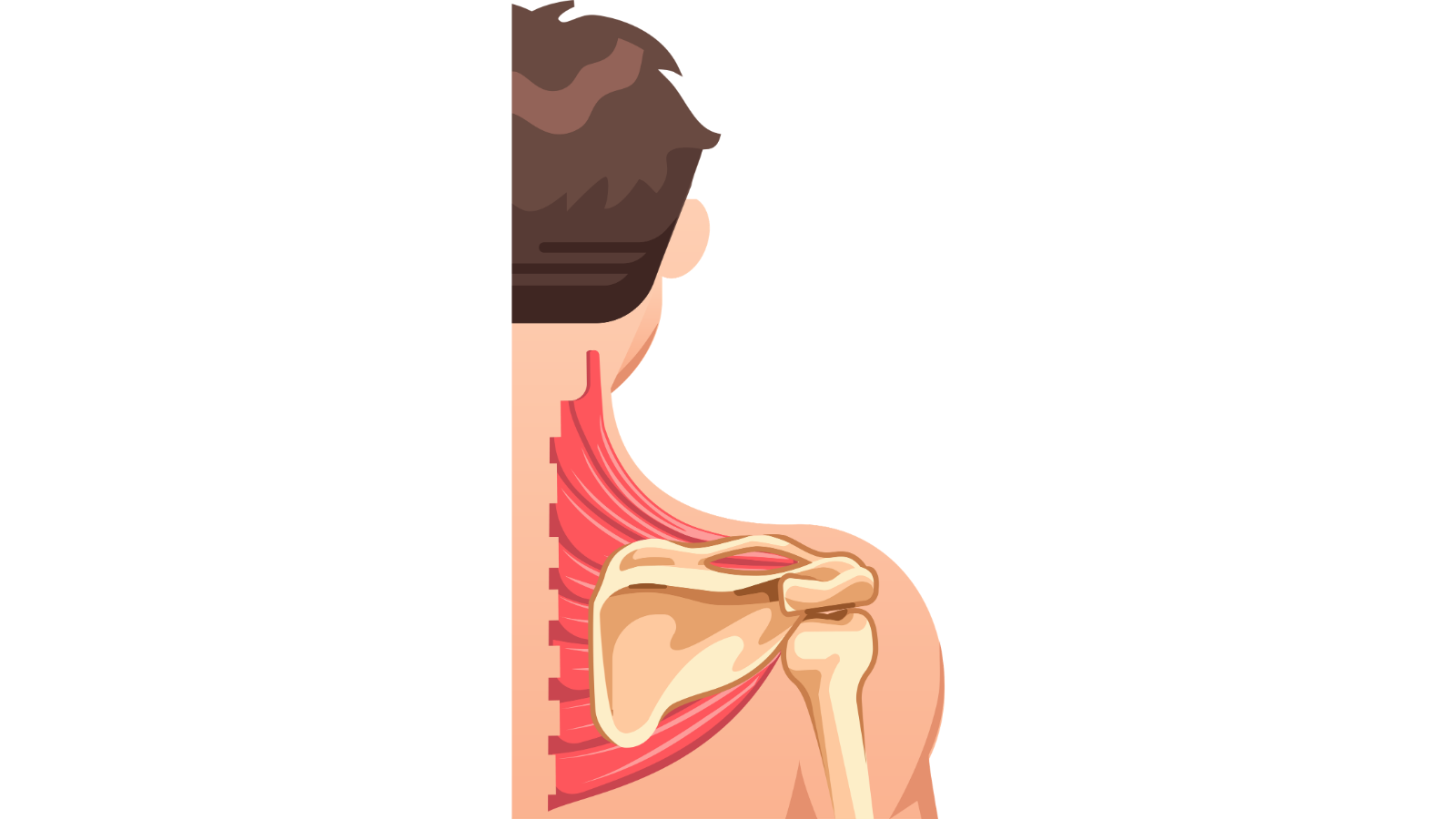
Shoulder Anatomy 101: What Is the Subacromial Bursa?
The shoulder is a complex joint where multiple muscles, tendons, and bones come together to create movement. The subacromial bursa is a small fluid-filled sac that sits between the acromion (part of your shoulder blade) and the rotator cuff tendons, especially the supraspinatus.
Its job? To reduce friction and allow smooth gliding of the rotator cuff tendons beneath the bony arch during shoulder movements - particularly when lifting your arm overhead.
What Is Bursitis and How Does It Happen?
Bursitis is simply inflammation of the bursa. In the gym setting, subacromial bursitis is often caused by:
Repetitive overhead movements
Poor scapular control
Overactive or dominant upper traps
Mechanical compression (impingement)
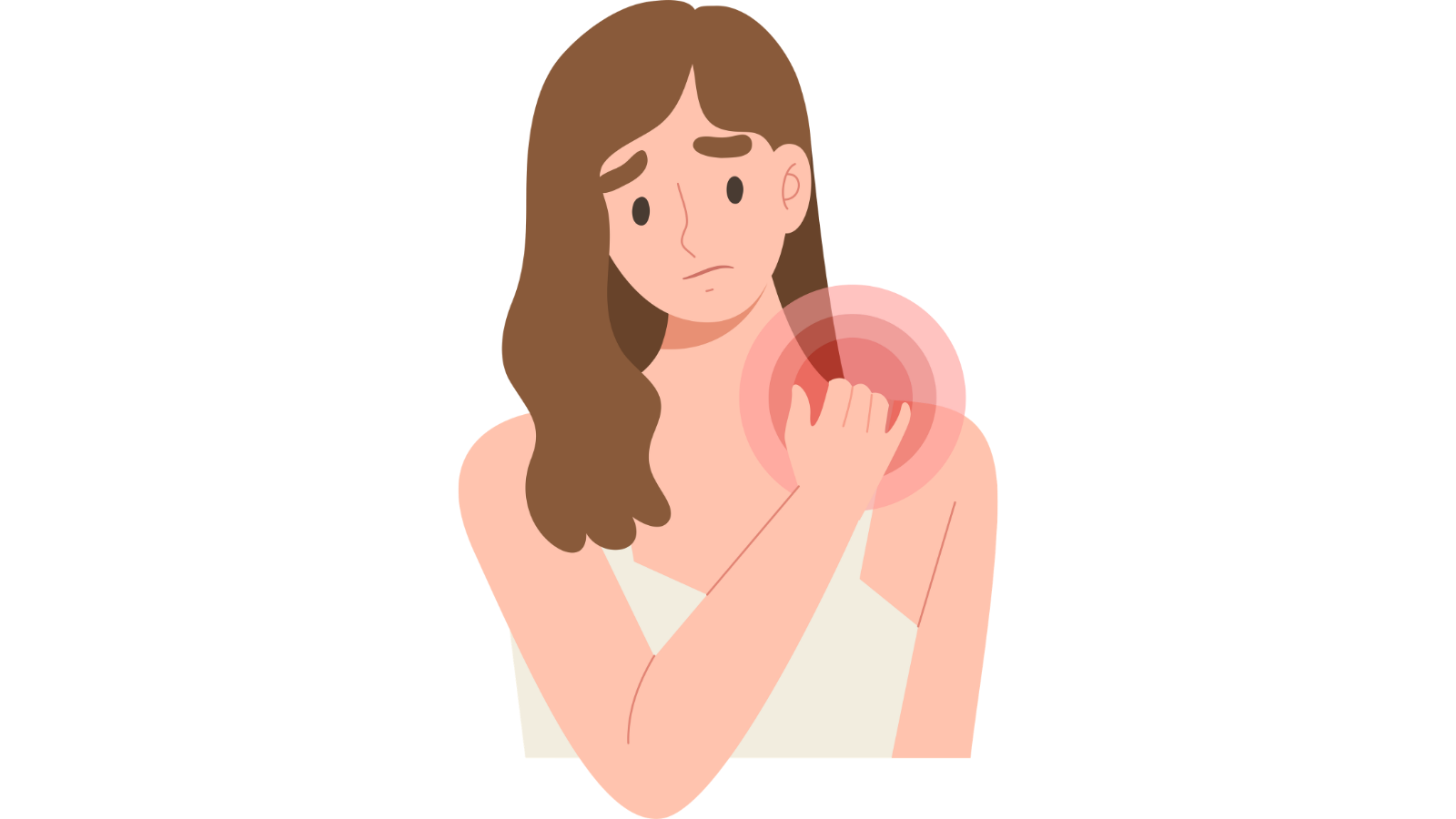
As a result, the bursa becomes swollen and irritated, and starts to cause pain - often felt in the front or side of the shoulder and into the upper arm. It typically worsens with overhead lifting or sleeping on that side.
Why Is It So Common?
Subacromial bursitis is one of the most common shoulder issues, not just in athletes, but across the general population. That’s because the subacromial space is already quite narrow, and:
Many people have postural or movement dysfunctions that further compress it
Gym programs often overemphasise pressing movements (bench, overhead press) without balancing this with scapular and rotator cuff strength
Poor thoracic mobility or weak lower traps can lead to altered shoulder mechanics
Over time, the bursa becomes the “canary in the coal mine” - signalling that something’s off in how the shoulder is moving or loading.
How Is Subacromial Bursitis Diagnosed?
Your osteopath will use a combination of:
Detailed case history – including training patterns and symptom behaviour
Orthopaedic tests – such as painful arc testing, Hawkins-Kennedy, and Neer’s test
Palpation and range of motion testing
Differentiation from biceps tendinitis, rotator cuff strain, or impingement
Referral for imaging (such as ultrasound) if needed to confirm bursitis or rule out structural tears
It’s common for subacromial bursitis and biceps tendinitis to occur together - or be mistaken for one another - which is why a thorough assessment is essential.
How an Osteopath Treats Shoulder Bursitis
Osteopathic management focuses on reducing inflammation, restoring shoulder mechanics, and correcting underlying contributors.
Here’s what that typically includes:
Hands-on treatment:
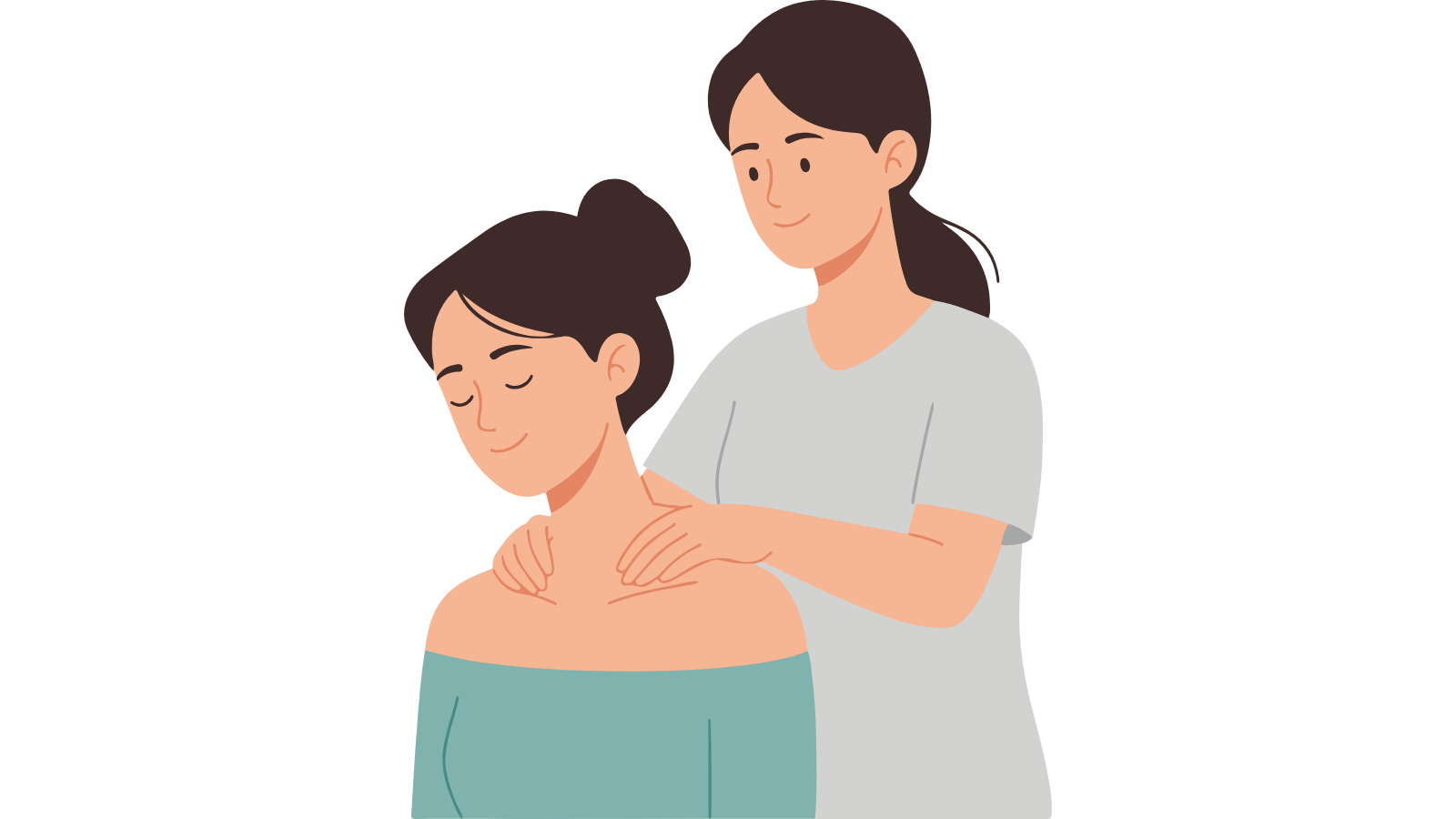
A)To release tension in overactive muscles (upper traps, pecs, lats);
B) Mobilise restricted joints (e.g., thoracic spine or AC joint);
C) Reduce pressure on the subacromial space
Load modification
A) Temporary removal of aggravating movements (overhead pressing, dips, etc.);
B) Adjusting gym programming to focus on pain-free, supportive movements
Rehabilitation exercises
A)Strengthening of rotator cuff and scapular stabilisers;
B) Thoracic mobility drills;
C) Motor control retraining (especially scapulohumeral rhythm)
Education
A)Helping clients understand their body and movement patterns;
B) Preventing recurrence through long-term strategies
Recovery Timeframe:
The length of recovery depends on the severity and how long the condition has been present.
Mild bursitis: 2–4 weeks with treatment and load management
Moderate to severe bursitis: 6–10+ weeks, especially if inflammation has been present for some time
Chronic cases may take longer, particularly if there’s poor shoulder control or underlying impingement issues
The earlier we catch it, the faster and smoother your return to training will be.
What Gym Activities Can Cause It?
Subacromial bursitis is frequently triggered or worsened by:
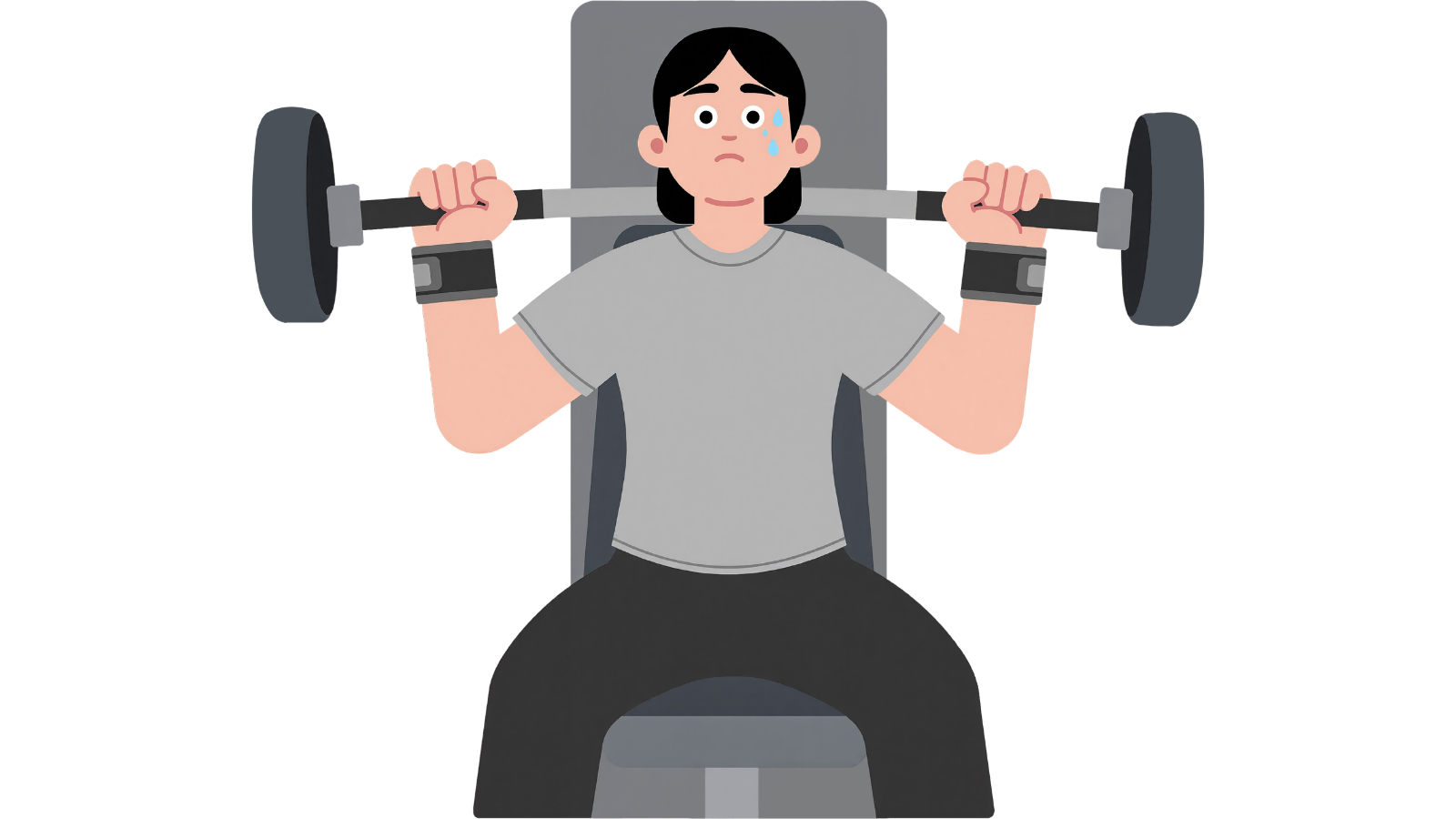
Overhead pressing (military press, Arnold press)
Snatches and overhead squats
Heavy bench pressing or dips
High-volume shoulder workouts without rest
Incorrect pull-up or lat pulldown technique
Poor scapular control during pressing or pulling
If you’ve got shoulder pain that builds during sets and lingers after, bursitis is a likely suspect.
What Movements Will Be Affected?
• Lifting the arm overhead (especially between 70–120°)
• Pressing movements (vertical or horizontal)
• Reaching behind your back or across the body
• Sleeping on the affected shoulder
Many people describe a sharp or pinching pain, especially at the top of a shoulder press or while doing lateral raises.
Predisposing Factors
You may be more prone to bursitis if you have:
• Poor thoracic spine mobility
• Rounded shoulders or forward head posture
• Scapular instability
• Weak rotator cuff muscles
• Excessive upper trap or pec dominance
• Previous shoulder injuries
• Poor lifting technique or no rest days
Even subtle biomechanical imbalances can set the stage for irritation over time.
How to Prevent Subacromial Bursitis
Here are some key tips to keep your shoulders pain-free:
• Balance your training – for every push, include a pull
• Strengthen your rotator cuff and lower traps
• Include mobility work for the thoracic spine and shoulders
• Warm up properly before lifting
• Avoid training through sharp shoulder pain
• Have your technique reviewed by a coach or practitioner
• Get on top of early warning signs (like low-grade discomfort during pressing)
Final Thoughts
Subacromial bursitis is one of the most common shoulder complaints in the gym, but it’s also one of the most treatable - especially when caught early.
If you’ve noticed pain during pressing, overhead lifting, or just reaching for your seatbelt, don’t push through it. Your body is asking for attention, not punishment.
Stay tuned for Part 3 of our Common Gym Injuries Series, where we’ll be diving into another frequently seen issue: lower back strain and disc overload in lifting-based training.
And if you missed it, check out Part 1 on Biceps Tendinitis HERE for a closer look at another common cause of shoulder pain.