Bay City Health BLOG
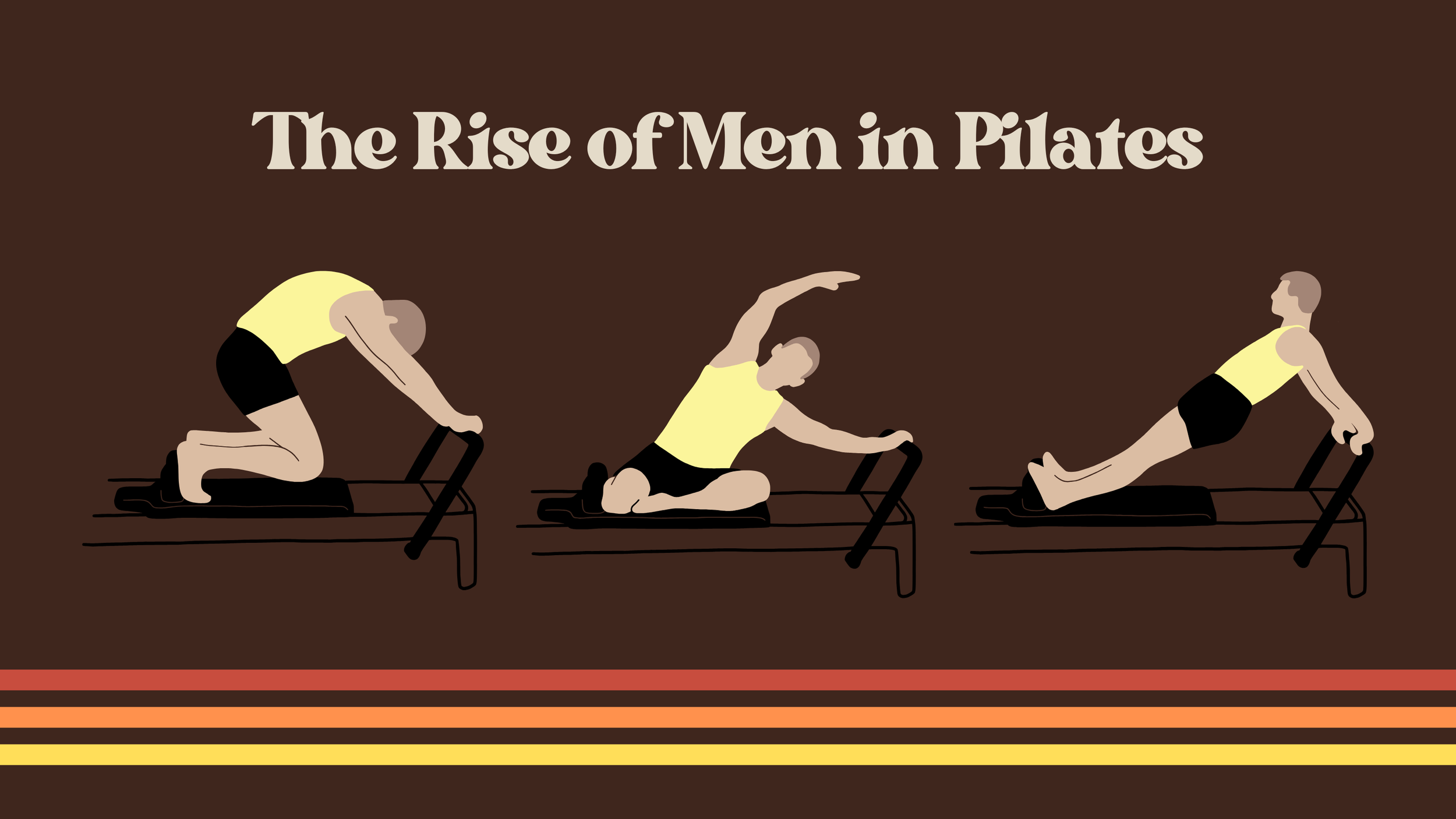
The Rise of Men in Pilates: Strength, Mobility, and Whole Body Movement
Pilates is no longer seen as a niche or gender-specific form of exercise—more men are embracing it as a powerful tool for building strength, improving mobility, and enhancing overall movement quality. Once misunderstood, Pilates is now gaining recognition among athletes, workers, and everyday individuals who want to move better and stay injury-free.
What draws many men to Pilates is its ability to combine strength with control. Rather than isolating muscles, it focuses on coordinated, full-body movement—developing deep core stability, improving joint mobility, and addressing common areas of tightness like the hips, shoulders, and lower back. This approach not only enhances performance in other activities but also supports better posture and long-term physical resilience.
Beyond the physical benefits, Pilates offers a mental reset. The emphasis on breath, control, and precision creates a focused training environment that helps reduce stress while improving body awareness. For many, it becomes more than just a workout—it’s a foundation for healthier movement patterns and sustainable strength over time.
Ultimately, the growing popularity of Pilates among men reflects a shift in how fitness is viewed—not just as building muscle, but as developing a balanced, capable body that performs well both in sport and everyday life.
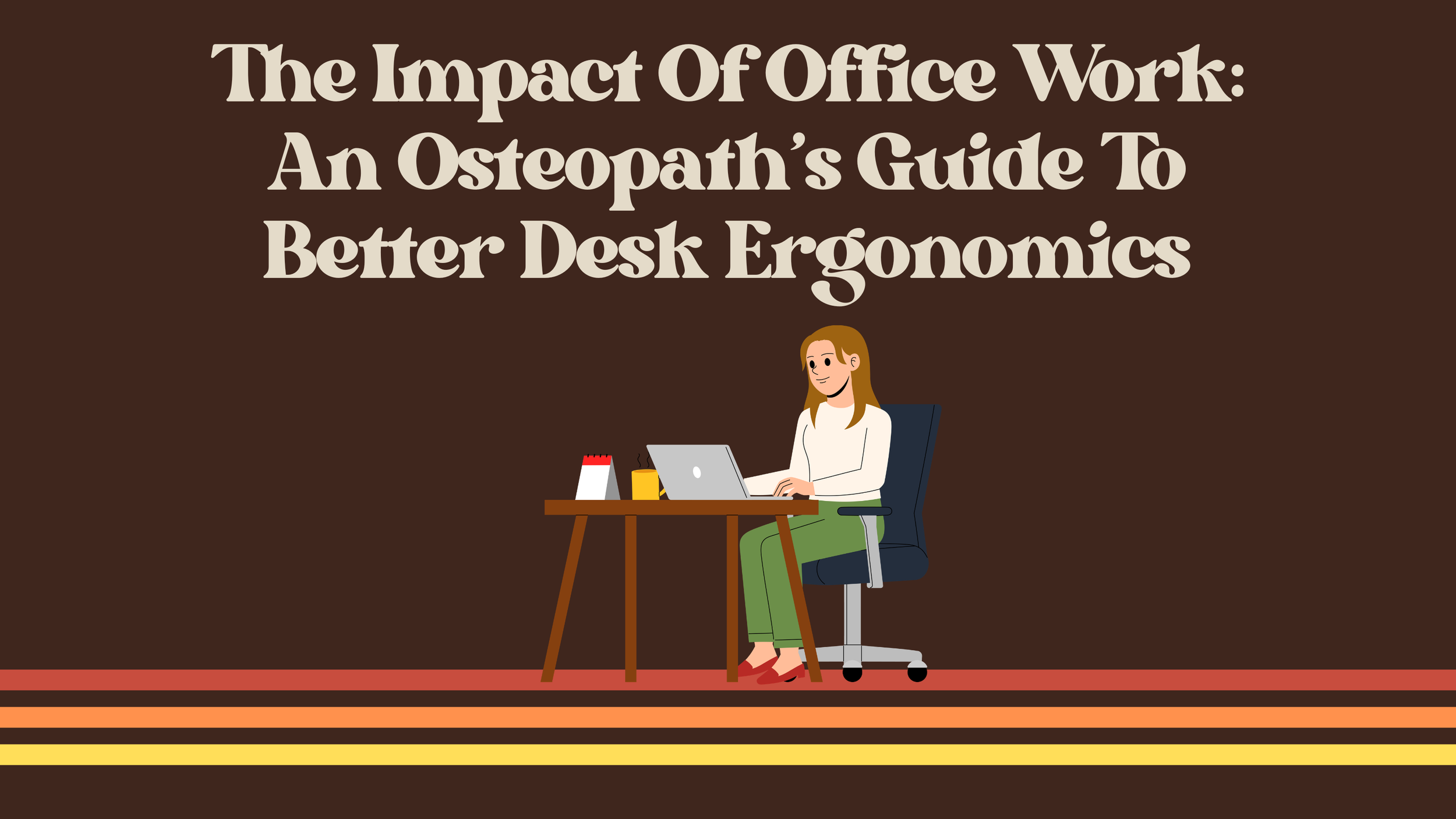
The Impact of Office Work: An Osteopath’s Guide to Better Desk Ergonomics
In today’s desk-driven work culture, many people spend hours seated with little awareness of how their setup affects their body. Over time, poor ergonomics can place significant strain on muscles and joints, contributing to common issues such as neck tension, shoulder discomfort, and persistent lower back pain. Prolonged sitting—especially in unsupported or slouched positions—can also lead to reduced mobility, muscle imbalances, and ongoing postural dysfunction.
From an osteopathic perspective, these problems are rarely caused by a single factor. Instead, they develop gradually through repeated habits—like forward head posture, rounded shoulders, or poorly positioned screens and keyboards. These patterns can compress the spine, overload certain muscle groups, and increase the risk of conditions such as disc irritation, tendon strain, and even nerve-related symptoms over time.
The good news is that small, practical adjustments can make a significant difference. Simple changes—such as positioning your screen at eye level, supporting your back properly, and keeping your arms and wrists in a neutral position—help reduce unnecessary strain. Just as importantly, incorporating regular movement and stretching throughout the day supports circulation, relieves tension, and keeps the body functioning as it should.
Ultimately, better desk ergonomics isn’t about achieving a “perfect” posture, but creating an environment that supports movement, comfort, and long-term health—both at work and beyond.
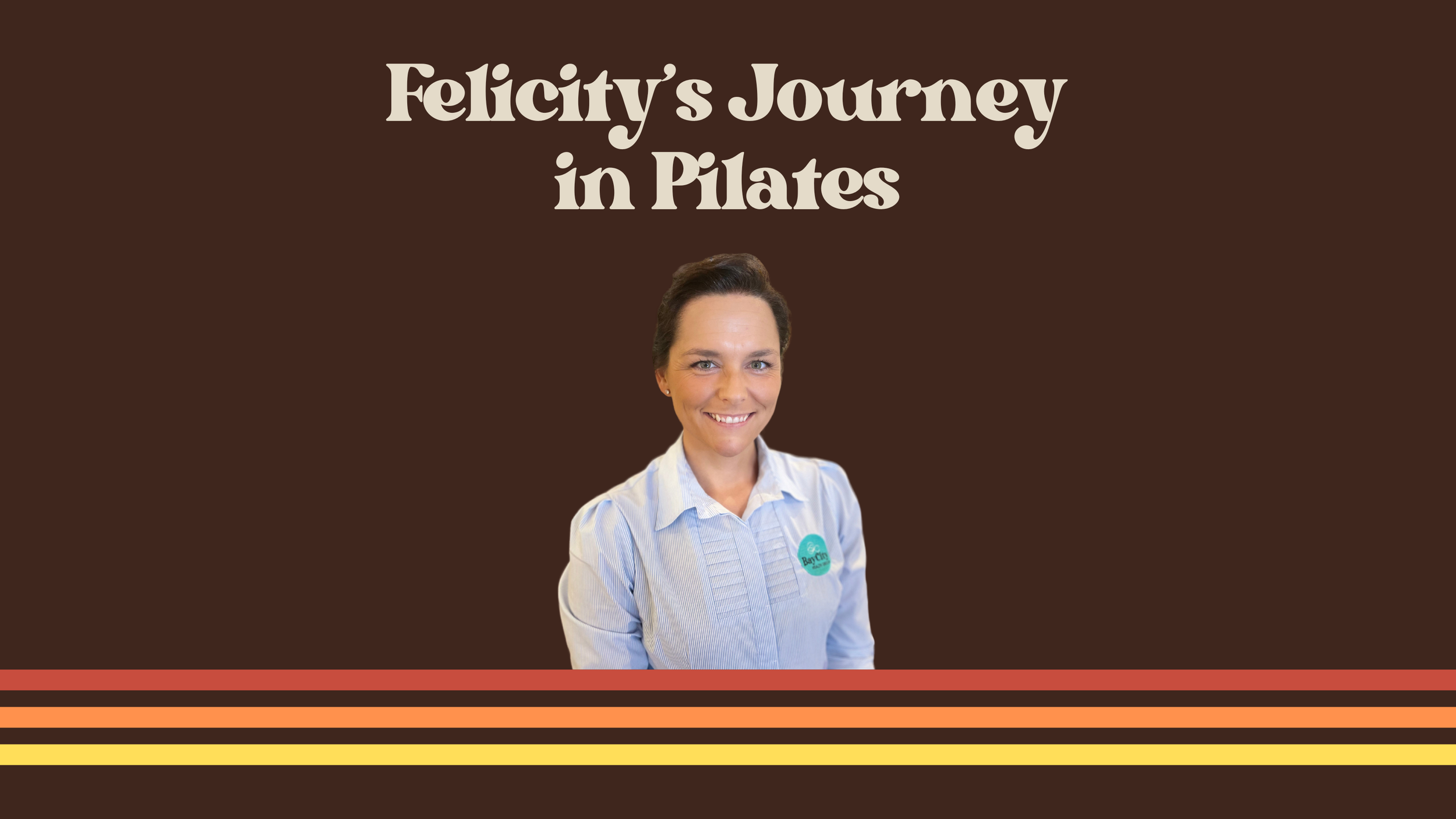
Felicity's Journey in Pilates
Felicity’s journey into Pilates is a story of passion, persistence, and a deep commitment to understanding the human body. Starting out as a personal trainer while studying Exercise and Sport Science, she was first introduced to Pilates in a small studio setting—an experience that quickly evolved into a defining part of her career. What began as a handful of mat classes each week soon grew into a genuine passion, driven by the way Pilates improved not only her strength and mobility, but also her overall performance and movement quality.
As her interest deepened, so did her pursuit of knowledge. Felicity invested in further study and advanced training, learning alongside health professionals and immersing herself in a more clinical, evidence-based approach to Pilates. This progression ultimately led her toward osteopathy, allowing her to combine hands-on treatment with movement-based rehabilitation—creating a well-rounded and holistic approach to health and performance.
Her journey eventually brought her back to Victoria, where she co-founded a Pilates and osteopathy studio built on quality, education, and community. Today, her work reflects years of dedication—not just to mastering her craft, but to helping others move better, feel stronger, and build long-term confidence in their bodies.