
Running Injuries: Why They Keep Coming Back & Tips On How To manage them
Running Injuries: Why They Keep Coming Back & Tips On How To Manage Them
Running is one of the most natural forms of movement we have.
Long before treadmills, smart watches, and running shoes existed, humans were built to move across long distances. Anthropologists believe endurance running played an important role in human survival - helping early humans hunt, travel, explore, and adapt. In many ways, running is deeply wired into us.
But these days, most people aren’t running to survive.
We run because it makes us feel good.
For some, it’s stress relief after a busy day. For others, it’s fitness, mental clarity, routine, discipline, community, or simply time alone.
And for the lucky few, there’s the occasional feeling runners often describe as “runner’s high” - that moment where everything clicks, your body feels effortless, your breathing settles, and the run almost feels meditative.
Whether you’re running along the Geelong waterfront before work, training for your first 10km event, or simply trying to stay healthy and active, running has a way of becoming more than exercise.
It becomes part of your identity.
Which is why injuries can feel so frustrating.
Because the worst thing you can do to someone who loves running…is stop them from running!
At Bay City Health Group, we regularly see runners caught in the same cycle:
The knee pain settles down.
The Achilles starts feeling better.
The shin pain disappears for a few weeks.
You finally start building momentum again…only for the exact same issue to return.
Maybe it’s the knee pain that appears every time your distance increases.
The Achilles stiffness that’s worst in the morning.
The shin pain that flares up whenever you try to run more consistently.
Or the hip tightness that never quite seems to fully disappear.
And while these injuries can feel random or unlucky, they usually aren’t.
The good news is that recurring running injuries are often more predictable - and more manageable - than most people realise.
And understanding why they keep happening is usually the first step toward finally breaking the cycle for good.
Why Running Injuries Keep Returning
One of the biggest misconceptions in running is the idea that pain automatically means something is seriously “damaged.”
In reality, many running injuries are load-related.
This means the body is simply being asked to tolerate more stress, force, repetition, or impact than it currently has the capacity to handle.
That capacity is influenced by many factors, including:
strength
recovery
mobility
sleep
running technique
training progression
stress levels
previous injury history
tissue conditioning
The body is incredibly adaptable, but even something we’re naturally built for, like running, still requires preparation and resilience in the modern world.
Our ancestors moved constantly throughout the day. Modern life often looks very different.
Long hours sitting, poor sleep, stress, hard surfaces, rushed recovery, and inconsistent strength work can all reduce the body’s ability to tolerate running loads - even in otherwise fit and healthy people.
When the body’s capacity falls behind the demands being placed on it, compensation patterns start appearing.
Eventually, symptoms follow.
The important thing to understand is this: Pain settling down does not necessarily mean the underlying issue has been resolved.
That’s why so many runners enter the frustrating cycle of:
Pain appears
Running volume decreases
Symptoms settle
Running resumes
Pain returns
For many runners, the hardest part isn’t even the pain itself.
It’s losing the freedom, routine, stress relief, and momentum that running gives them.
The “Too Much, Too Soon” Problem
One of the most common reasons injuries recur is rapid increases in training load.
This often looks like:
suddenly increasing weekly kilometres
adding hills too quickly
introducing speed work prematurely
ramping up long runs aggressively
returning too quickly after time off
A classic example is the everyday runner preparing for a half marathon.
They may comfortably run 5-7km a few times per week, but once training starts progressing toward longer distances, symptoms begin appearing around the knee, shin, achilles, or hip.
Why?
Because cardiovascular fitness often improves faster than tissue capacity.
In simple terms: your lungs may feel ready before your tendons and joints are.
This is particularly common in motivated runners who feel good aerobically and unintentionally progress faster than their body can currently tolerate.
Why Strength Matters More Than Most Runners Think
For years, many runners believed running alone was enough to prepare the body for running.
Research now strongly suggests otherwise.
Strength training plays a major role in:
injury reduction
tendon health
force absorption
running economy
efficiency
long-term durability
Importantly, strength work isn’t just about performance.
It’s about freedom.
It gives your body the capacity to keep doing what it loves - whether that’s running 3km before work, enjoying weekend long runs with friends, or training for your next marathon.
This is one reason elite runners now spend significant time in the gym.
Eliud Kipchoge - a Kenyan long distance runner widely regarded as one of/if not the greatest marathon runner of all time - incorporates structured strength, mobility, and conditioning work into his training despite already running extraordinary mileage.
Elite sprint athletes like Usain Bolt were also known for extensive posterior chain and core strengthening programs to help tolerate enormous running forces.
And while most of us aren’t trying to break world records, the principles used by elite runners are surprisingly relevant to everyday runners:
build gradually
recover well
move better
improve strength
respect the body’s need for resilience
Because stronger tissue generally tolerates load better.
The Hidden Weak Links We Often See
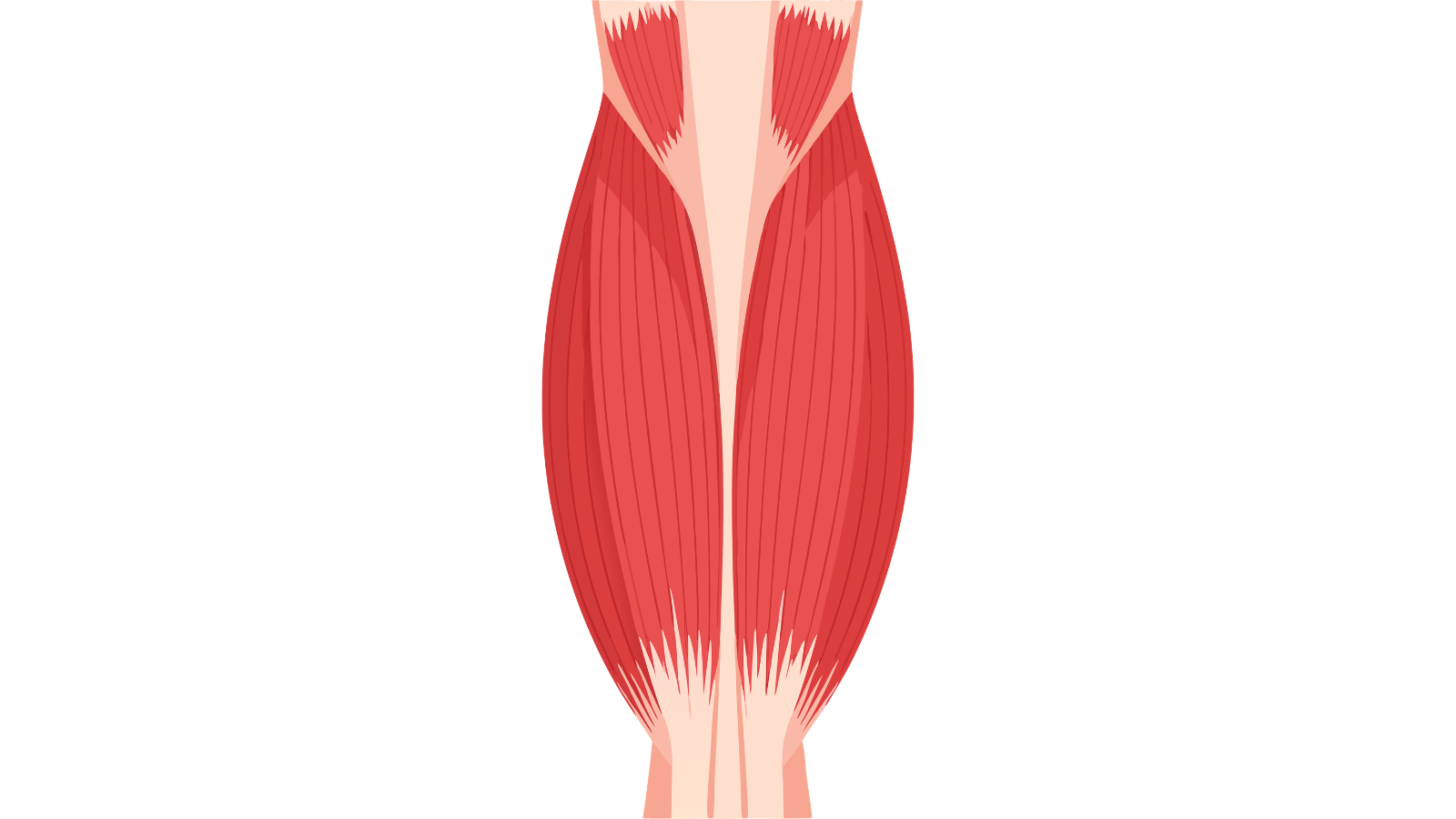
Many runners are surprised to discover the painful area isn’t always the primary problem.
Often, the body is compensating for weaknesses or restrictions elsewhere.
Knee Pain
A runner with ongoing knee pain may actually have:
weak glutes
poor pelvic control
reduced ankle mobility
inadequate calf strength
Over thousands of running steps, these weaknesses can gradually increase stress around the knee.
Achilles Tendon Pain
Achilles pain is one of the most common running complaints we see.
But often the issue isn’t simply the tendon itself.
Contributors may include:
reduced calf capacity
poor ankle mobility
sudden increases in running volume
excessive hill running
inadequate recovery
poor strength endurance
Many runners rest until symptoms settle - but never properly rebuild the tendon’s loading capacity.
So the pain returns the moment running intensity increases again.
Shin Splints
“Shin splints” is a broad term often linked to overload of the lower leg structures.
This commonly occurs with:
sudden increase in km
harder running surfaces
poor load management
reduced calf endurance
poor hip control
Again, rest alone rarely addresses the long-term issue.
What Actually Helps Long-Term
Most runners don’t want to stop running completely.
They simply want to run consistently without constantly worrying about what’s going to flare up next.
While every runner is different, successful recovery usually involves three major stages.
1. Reduce Irritation Initially
This doesn’t always mean complete rest.
In many cases, strategic load modification is more helpful than stopping entirely.
This may involve:
temporarily reducing running volume
avoiding hills or speed work
modifying frequency
improving recovery
temporarily cross-training
The goal is to calm symptoms without unnecessarily losing conditioning or confidence.
2. Identify the Underlying Contributors
This is where proper assessment becomes important.
At Bay City, we look beyond the painful area itself.
We assess:
movement patterns
mobility restrictions
strength deficits
running-related loading patterns
single-leg control
previous injury history
training habits
Because if the contributing factor remains unchanged, recurrence becomes far more likely.
3. Build Running-Specific Capacity
This is often the missing piece.
Strength work for runners shouldn’t simply involve random exercises.
It should be specific, progressive, and relevant to running.
That may include improving:
calf endurance
glute strength
single-leg stability
hip control
rotational control
landing mechanics
tendon loading tolerance
This is one reason Clinical Pilates can be so effective for runners.

Why Clinical Pilates Can Help Runners
Clinical Pilates is very different from generic fitness-based Pilates classes.
At Bay City, our Clinical Pilates programs are:
individualised
progression-based
movement-specific
guided by experienced Osteopaths
For runners, this allows us to target areas that commonly contribute to overload and recurring symptoms.
Using specialised Pilates equipment, we can progressively improve:
pelvic control
hip stability
trunk strength
mobility
movement efficiency
single-leg control
Importantly, many runners also find Clinical Pilates improves their awareness of how they move.
That awareness often translates directly into improved running mechanics and reduced compensation patterns.
And contrary to popular belief, Clinical Pilates isn’t only for injured runners.
Many high-performing athletes use it proactively because of the precision, specificity, and movement quality it offers.
Practical Things You Can Apply On Your Next Run
Here are several evidence-informed strategies runners can start implementing immediately:
Avoid Sudden Spikes in Training
Try increasing running volume gradually.
A common guideline is avoiding abrupt increases greater than approximately 10% per week.
Your fitness may improve quickly - but tendons, joints, and tissues often take longer to adapt.
Don’t Ignore Early Symptoms
Pain that consistently appears during or after running is usually worth addressing early.
Small problems are generally easier to manage than persistent ones.
Strength Train Consistently
Even 1- 2 structured sessions per week can make a significant difference over time.
Key areas for runners often include:
calves
glutes
hamstrings
trunk control
single-leg strength
Think of strength work as investing in your future ability to keep running consistently.
Respect Recovery
Recovery is part of training.
Poor sleep, high stress, inadequate nutrition, and insufficient recovery time can all reduce tissue capacity.
Build Gradually After Time Off
One of the highest-risk periods for runners is returning after injury, illness, or extended breaks.
Fitness often returns faster than tissue resilience.
Consider Cadence (SPM/RPM) and Stride Length
Overstriding can sometimes increase stress through the knee and lower leg.
Small technique adjustments may help certain runners - but should always be individualised rather than copied from social media trends.
The Goal Isn’t Just Pain Relief
Anyone can temporarily reduce symptoms.
The real goal is helping your body tolerate running long-term.
That means improving:
resilience
movement quality
recovery capacity
strength
confidence in your body again
Whether you’re training for an event, running socially with friends, or simply using running as your mental reset before work, the principles remain remarkably similar.
The runners who stay healthiest long-term usually aren’t the ones doing the most.
They’re often the ones progressing gradually, recovering properly, and building capacity consistently over time.
Running should feel freeing.
Whether it’s your stress relief, fitness routine, social outlet, or simply the thing that helps you feel like yourself again - the goal is to help your body keep doing it for years to come.
Because for people who genuinely love running, staying active isn’t just about exercise.
It’s part of who they are.
Final Thoughts
Recurring running injuries are rarely just “bad luck.”
More often, they’re a sign that something underneath the surface hasn’t been fully addressed yet.
The good news?
With the right approach, most runners can significantly improve not only their symptoms — but also their long-term running durability, resilience, and confidence.
At Bay City Health Group, we combine Osteopathy and practitioner-led Clinical Pilates to help runners:
reduce irritation
improve movement quality
build running-specific strength
return to running with more confidence
Because the goal isn’t simply to get you running again.
It’s to keep you running.
References
van der Worp MP, et al. Injuries in runners; a systematic review on risk factors and sex differences. PLoS One. 2015.
Willy RW, Paquette MR. The physiology and biomechanics of the master runner. Sports Medicine. 2019.
Saragiotto BT, et al. What are the main risk factors for running-related injuries? Sports Medicine. 2014.
Blagrove RC, et al. Effects of strength training on the physiological determinants of middle- and long-distance running performance. Sports Medicine. 2018.
Napier C, Willy RW. Logical progression in returning to running after injury. British Journal of Sports Medicine. 2021.
Malliaras P, et al. Achilles and patellar tendinopathy loading programmes. Sports Medicine. 2013.
Bahr R, et al. Why screening tests to predict injury do not work—and probably never will. British Journal of Sports Medicine. 2016.
Johnston CA, et al. Hip strength deficits in runners with patellofemoral pain syndrome. Clinical Biomechanics. 2008.