
Clinical Pilates vs Reformer Pilates: What’s the Difference?
Clinical Pilates vs Reformer Pilates: What’s the Difference?

Pilates has exploded in popularity over recent years - and for good reason.
When taught well, Pilates can improve strength, mobility, posture, balance, coordination, and confidence in movement. It’s one of the reasons so many people are now turning to Pilates as part of their long-term health and wellbeing routine.
But as Pilates continues to grow rapidly worldwide, there’s also been increasing confusion around the different styles of Pilates - particularly the difference between Clinical Pilates and general Reformer Pilates classes.
At Bay City Health Group, this is one of the most common questions we’re asked.
And while both forms of Pilates may use similar equipment, the intent, structure, safety considerations, and level of individualisation are very different.
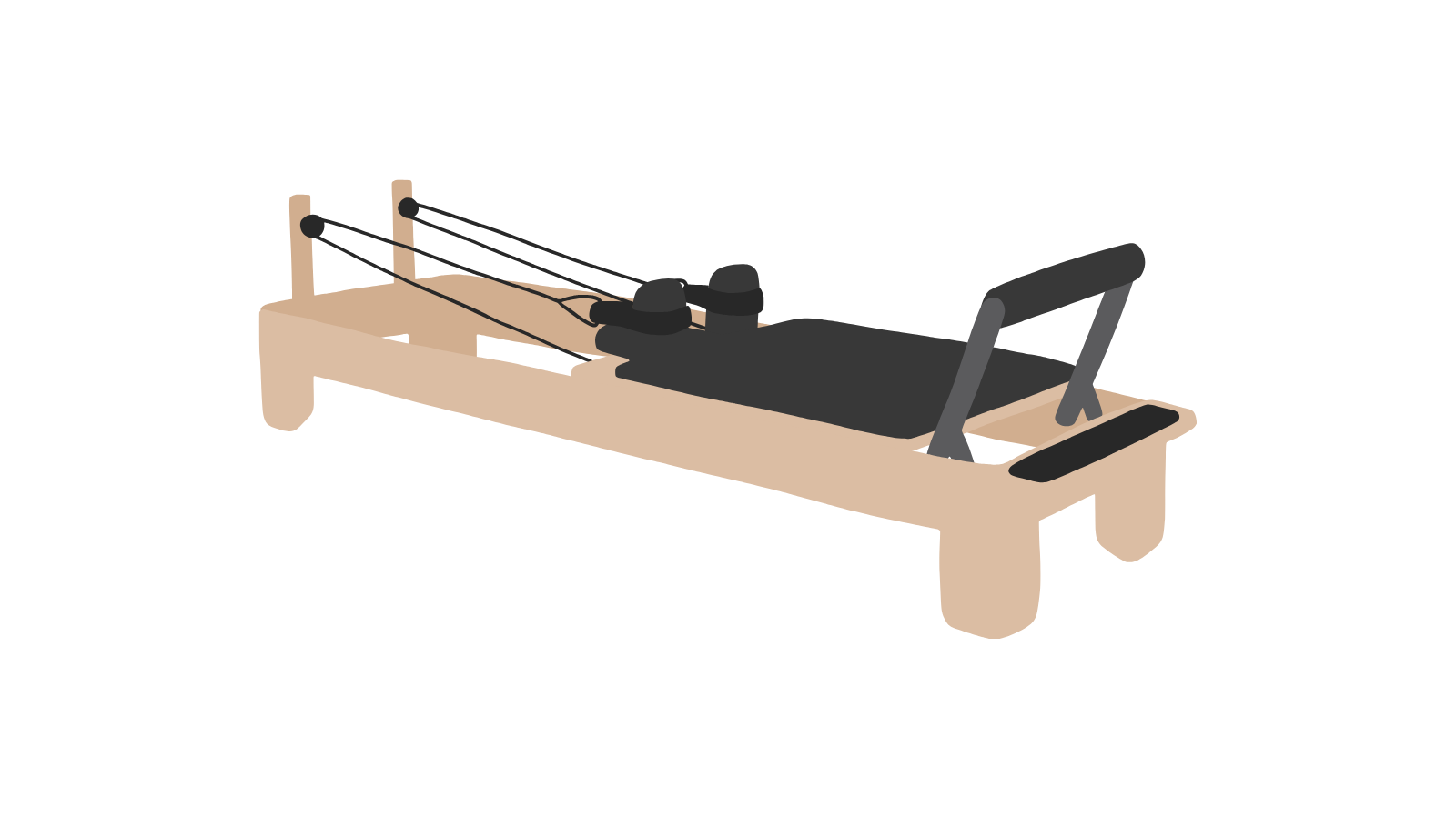
Reformer Pilates (General Classes)
Traditional Reformer Pilates classes are typically:
group fitness based
programmed for the general population
designed around strength, conditioning, and movement flow
fast-paced and class-oriented
For many people, Reformer Pilates can be a fantastic form of exercise.
It can help improve:
general fitness
mobility
body awareness
baseline strength
exercise consistency
The rise in popularity of reformer Pilates has also helped expose more people to movement who may not otherwise enjoy traditional gym settings.
And importantly - good quality reformer studios with highly trained instructors absolutely do exist.
However, the challenge is that Pilates has grown so quickly that industry standards have struggled to keep up.
Recent reporting has highlighted growing concern internationally regarding overcrowded classes, underqualified instructors, and injuries associated with poorly supervised reformer training. (theguardian.com)
In fact, experts interviewed by The Guardian recently described parts of the modern reformer industry as a “wild west,” warning that some instructors are now teaching large classes with minimal anatomy, rehabilitation, or movement training.
That doesn’t mean reformer Pilates is “bad.”
It simply means that:
not every class is appropriate for every person
exercise should match the individual
quality of assessment and instruction matters enormously
Especially for adults aged 45–65.
Why This Matters More As We Age
As we move through our 40s, 50s and beyond, exercise selection becomes increasingly important.
Many people in this stage of life are managing:
previous injuries
arthritis
osteoporosis or osteopenia
spinal degeneration
tendon issues
balance concerns
reduced muscle mass
hormonal changes affecting strength and recovery
At the same time, maintaining strength becomes more important than ever.
Research consistently shows that progressive resistance training and appropriately prescribed exercise are critical for:
maintaining bone density
preserving muscle mass
reducing falls risk
improving metabolic health
maintaining independence and longevity
But the key phrase is: appropriately prescribed.
Just because an exercise is popular does not mean it’s appropriate for every body.
And this is where Clinical Pilates becomes very different.
Clinical Pilates (What We Do at Bay City)
Clinical Pilates is not simply “harder Pilates” or “Pilates for injuries.”
It is an individualised, assessment-driven form of movement rehabilitation and strength development.
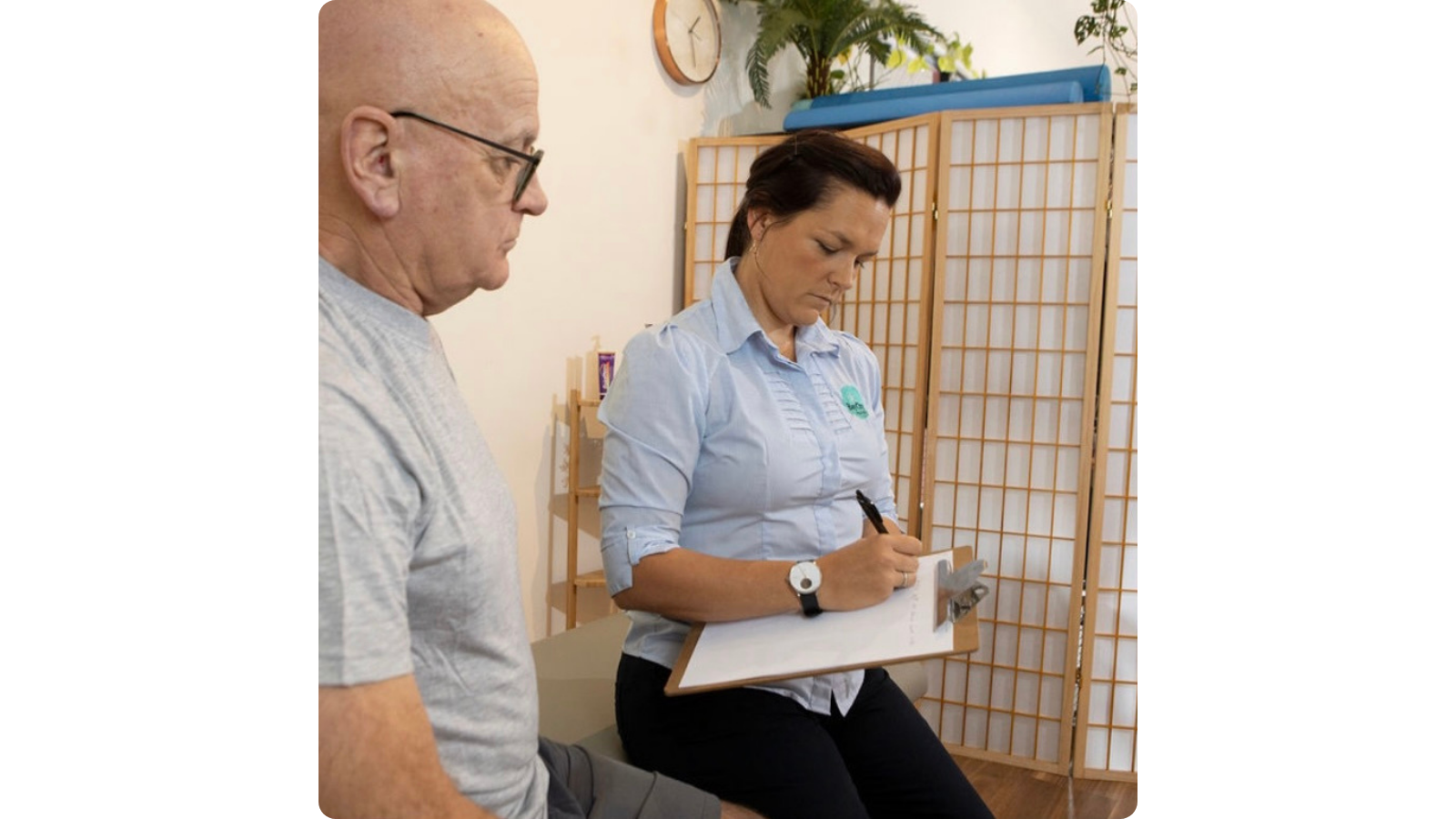
At Bay City Health, Clinical Pilates always begins with a thorough assessment - usually performed by one of our Osteopaths.
This assessment looks at:
injury history
pain patterns
movement quality
mobility restrictions
strength deficits
balance and control
breathing mechanics
posture and loading patterns
lifestyle demands
personal goals
Rather than placing everybody into the same workout, we build a program around your body.
That means your exercises are selected based on:
what you need
what you tolerate
what you’re trying to achieve
what stage of recovery or strength development you’re currently in
For one person, that may mean reducing back pain and improving spinal control.
For another, it may mean rebuilding hip strength after menopause-related bone density changes.
For someone else, it may mean safely progressing back toward golf, running, gym training, or simply feeling stronger and more confident day-to-day.
Clinical Pilates Isn’t Just for Rehabilitation
One of the biggest misconceptions about Clinical Pilates is that it’s only for people with injuries or pain.
While Clinical Pilates is excellent for rehabilitation, many people choose it simply because they want a more tailored and specific approach to movement and strength.
At Bay City Health, we work with a wide range of people — from those recovering from injury, through to active adults and elite-level athletes looking to improve performance, movement efficiency, control, and longevity.
For example, we work with elite-level soccer players who require highly specific programming based around:
hip mobility
trunk control
rotational strength
balance and stability
lower limb loading patterns
injury prevention strategies
In these cases, the goal isn’t simply rehabilitation - it’s precision.
And that often requires far more than just a reformer.
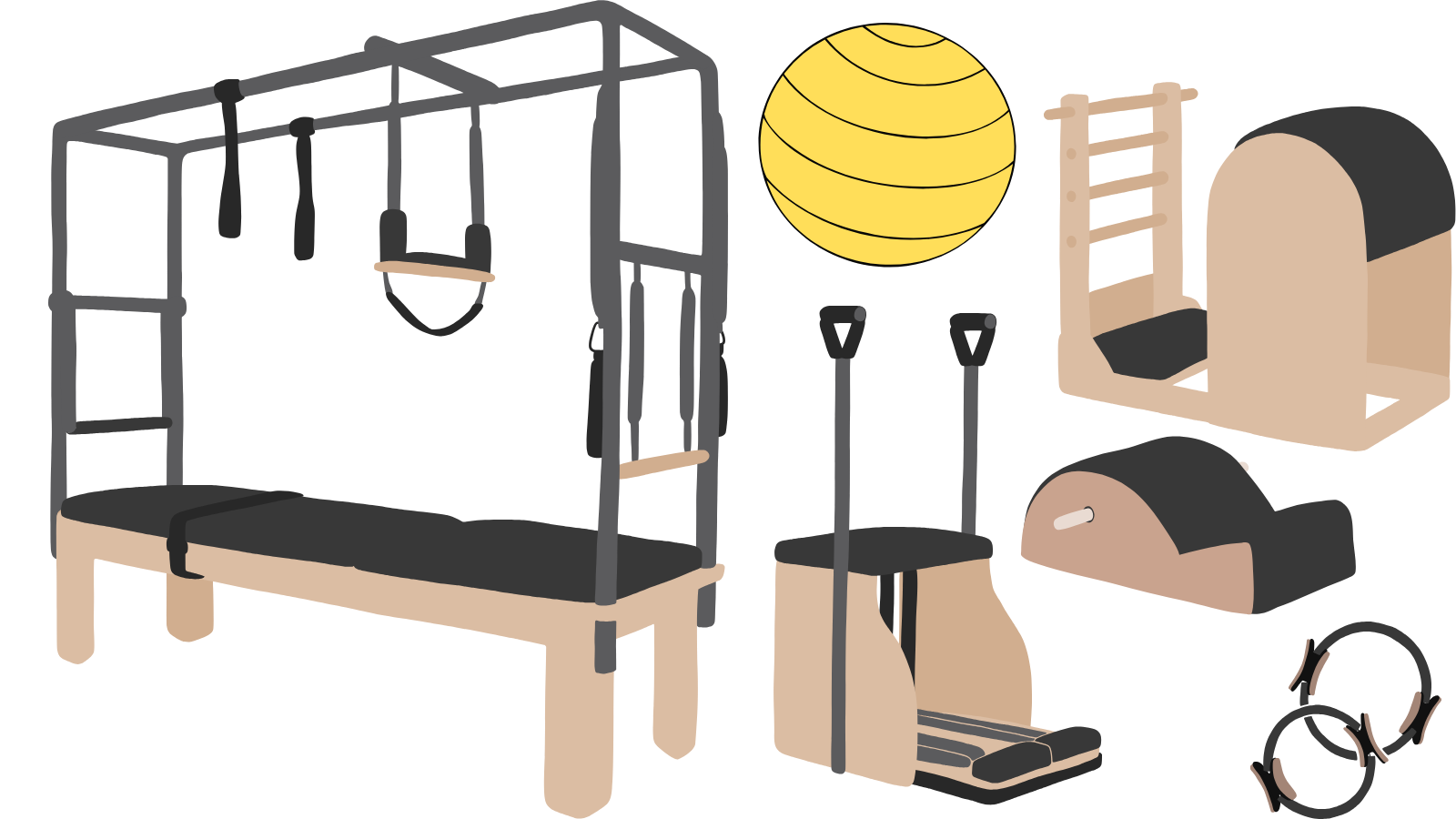
Using the full Clinical Pilates studio - including reformers, trapeze tables, chairs, barrels, matwork, and strength equipment - allows us to tailor movement far more specifically to the individual in front of us.
For many people, Clinical Pilates becomes their preferred form of exercise not because they are injured - but because they value:
specificity
expert guidance
intelligent progression
movement quality
individual attention
For some, it’s simply a luxury to have their exercise guided closely by highly trained practitioners who understand both movement and the human body at a deeper level.
Assessment Is the Difference
This is arguably the single biggest difference between Clinical Pilates and general group reformer classes.
At Bay City, the program is guided by:
assessment findings
clinical reasoning
progressive strength principles
ongoing reassessment
This matters because people rarely need exactly the same thing.
Two people may both have “back pain,” but the drivers can be completely different.
One person may benefit from improving spinal flexion tolerance and deep trunk control.
Another may need hip strength, thoracic mobility, and balance retraining.
Another may actually need to avoid certain movements temporarily altogether.
Without assessment, it becomes much harder to tailor exercise appropriately.
And importantly - assessment doesn’t only benefit people in pain.
Even high-performing individuals and athletes often benefit enormously from identifying:
movement compensations
asymmetries
mobility restrictions
strength deficits
inefficient loading patterns
This is one of the reasons elite athletes across many sports increasingly use Clinical Pilates as part of their performance and longevity programs.
Clinical Pilates Is About Progression — Not Just Exercise
One of the biggest misconceptions about Pilates is that it’s simply stretching or “light exercise.”
High-quality Clinical Pilates should actually involve:
progressive loading
progressive balance challenges
progressive strength development
improved movement capacity over time
At Bay City Health, we use Clinical Pilates as a structured progression system.
That progression commonly looks like:
1. Initial Assessment
Understanding your body, goals, injury history, and movement patterns.
2. 1:1 Clinical Sessions
Building confidence, control, breathing mechanics, strength foundations, and technique.
3. Small Group Clinical Pilates
Continuing progression in a highly supervised environment with individually tailored programs.
4. Long-Term Strength & Performance
Helping clients move toward long-term strength, resilience, mobility, and independence.
This means you’re not simply “doing a workout.”
You’re following a structured plan designed specifically for you.
And because programs are progressed intentionally over time, Clinical Pilates can continue to challenge people well beyond the rehabilitation phase.
For many clients, it becomes their long-term approach to movement, strength, and healthy ageing.
Why Osteopath-Led Clinical Pilates Matters
One of the major differences at Bay City Health is that our Clinical Pilates programs are Osteopath-led.
That means your movement program is guided by practitioners with extensive training in:
anatomy
biomechanics
rehabilitation
injury management
pain science
exercise progression
Our team combines over 35 years of clinical experience, alongside more than 15 years of Pilates education and teaching.
This becomes particularly valuable for clients managing:
chronic pain
previous injuries
spinal conditions
osteoporosis
post-surgical rehabilitation
complex movement presentations
uncertainty or fear around exercise
But it’s equally valuable for people simply wanting a more personalised and precise approach to exercise.
For many people, confidence is one of the biggest barriers to exercise.
A highly individualised approach can help bridge that gap safely.
Sometimes, People Simply Prefer a More Guided Experience
Not everybody enjoys walking into a large group fitness environment.
Many people - particularly within the 45–65 age group - prefer a more personalised approach where:
exercises are monitored closely
technique is refined
progression is intentional
the program evolves with their body over time
For some, that level of guidance feels safer.
For others, it simply feels better.
Clinical Pilates can offer a more premium and supported exercise experience, where clients know their program has been designed specifically for them - rather than following a generic class format.
That doesn’t make it “better” than reformer Pilates.
But it does make it different.
And for many people, that difference matters enormously.
The Importance of High Standards in Pilates Education
Not all Pilates training is equal.
At Bay City Health, our Pilates approach has been heavily influenced by Polestar Pilates - widely regarded as one of the world leaders in Pilates rehabilitation education.
Founded by Dr. Brent Anderson, a physiotherapist with a PhD and decades of rehabilitation experience, Polestar is internationally recognised for its extremely high standards in:
clinical reasoning
anatomy education
movement assessment
rehabilitation principles
evidence-informed Pilates programming
Unlike short-form weekend certifications now appearing within parts of the fitness industry, Polestar training places enormous emphasis on understanding why exercises are prescribed - not simply memorising choreography.
Dr. Anderson’s published research on Pilates and chronic low back pain has contributed significantly to the evolution of rehabilitation-focused Pilates internationally.
That educational philosophy strongly influences how we approach Clinical Pilates at Bay City Health today.
So… Which One Is Better?
The truth is: neither is universally “better.”
It depends entirely on:
your goals
your history
your body
your current capacity
For some people, general reformer classes are completely appropriate.
For others - particularly those dealing with pain, injury, deconditioning, osteoporosis, reduced confidence, or movement limitations - Clinical Pilates is often the safer and more effective starting point.
And for many others, Clinical Pilates is chosen not because they need rehabilitation, but because they appreciate the specificity, progression, and highly tailored nature of the experience.
Importantly: many of our clients eventually move between both worlds.
Clinical Pilates can help build the foundation.
From there, people often feel stronger, safer, and more confident entering broader exercise environments.
The Bay City Approach
At Bay City Health, our focus has never been about chasing Pilates trends.
Our goal is simple: to help people move better, feel stronger, and build long-term confidence in their bodies.
That means:
thorough assessment
individualised programming
evidence-informed exercise
progressive strength development
high-quality instruction
safety without fear
long-term results over quick fixes
Especially for the 40–65 age group, we believe exercise should never feel intimidating, unsafe, or generic.
It should feel purposeful.
Structured.
Supportive.
And tailored to the individual in front of us.
Whether someone is recovering from pain, preparing for sport, improving longevity, or simply wanting a more guided and premium exercise experience — our approach remains the same:
high-quality movement tailored to the person.
Not Sure Where to Start?
That’s completely normal.
The best starting point is an assessment — so we can understand your body, your goals, and guide you toward the most appropriate pathway.
Whether that’s Clinical Pilates, Reformer Pilates, Osteopathy, or a combination of all three, the goal is finding the right fit for you.
References
Anderson BD. University of Miami Randomized Clinical Trial on Pilates for Chronic Low Back Pain.
The Guardian article on reformer Pilates injuries and rapid industry growth
Polestar Pilates official website
Anderson B. Research and education materials relating to rehabilitation-focused Pilates and movement science.